Essential Things to Do in Karaganda: Your Ultimate Guide to Attractions & Local Experiences
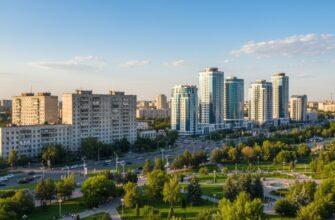
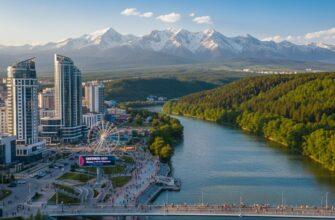
Karaganda, a city forged in the crucible of Soviet industrialization and set against the vast, unending expanse of the Kazakh steppes, presents a journey unlike any other. As Kazakhstan’s fourth-largest city, with a metro population of around 515,000 in 2025, it is a place of profound contrasts. Its story is one of immense hardship and remarkable resilience, where grim historical truths coexist with vibrant parks, modern architecture, and a warm, welcoming culture. Once a name synonymous with the Soviet Gulag system, the Karaganda Region is increasingly capturing the attention of global travelers, with foreign arrivals growing by 35% in 2024. This guide delves into the essential experiences that define Karaganda, from its solemn historical sites to its bustling city life and the breathtaking nature at its doorstep.
Discover Karaganda’s Deep Roots: History, Resilience, and Legacy
To understand Karaganda is to first confront its complex and often painful past. The city’s identity is deeply intertwined with the history of the Soviet Union, from its foundation as a coal mining settlement to its role as the center of a vast network of labor camps.
Understanding the Gulag Past: A Visit to KarLag Museum
A short drive from Karaganda, in the town of Dolinka, lies the Karlag Gulag, a site of immense historical importance. The former administrative headquarters of the Karaganda Corrective Labor Camp (KarLag), one of the largest branches of the Gulag system, has been transformed into the KarLag Museum. This is not just a museum; it is a profound and sobering memorial to the hundreds of thousands of prisoners who passed through its gates.
The exhibits meticulously document the brutal reality of life in the camps, displaying prisoner artifacts, photographs, and recreated cells. Visiting the Gulag Museum is an essential, albeit emotionally challenging, part of any trip to the region. It provides invaluable context for the resilience of the human spirit and stands as a powerful testament to the victims of political repression during the Soviet era.
Echoes of the Soviet Era: Iconic Architecture and Monuments
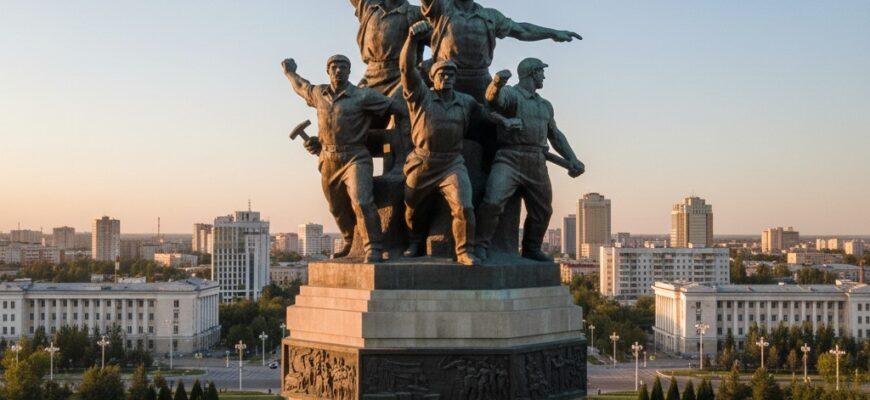
Karaganda’s cityscape is a living museum of Soviet planning and ambition. Dominating the skyline is the Miners’ Palace of Culture, an imposing example of Stalinist Neoclassical architecture. This grand building, adorned with sculptures of miners and farmers, remains a central hub for cultural events. Nearby, the Miner’s Glory monument stands as a proud tribute to the coal miners whose labor built the city. This powerful statue is a quintessential symbol of Karaganda’s industrial soul and a reminder of the region’s economic might, where industrial production continues to be a driving force according to the Agency for Strategic Planning and Reforms. Throughout the city, you’ll find other significant markers of the past, including a statue of Yuri Gagarin, celebrating the nearby Baikonur Cosmodrome’s role in space exploration, and a monument to Nurken Abdirov, a celebrated Kazakh pilot and Hero of the Soviet Union.
Victory Park: Remembering Sacrifice and Celebrating Peace
Park Pobedy, or Victory Park, is a sprawling green space dedicated to the memory of those who fought and died in World War II. The park’s centerpiece is an eternal flame, a solemn tribute to the immense sacrifices made. Walking along its quiet pathways, past memorials and military equipment displays, offers a moment for reflection. Victory Park serves a dual purpose: it is a poignant memorial ground that honors the past while also functioning as a peaceful, popular recreational area for Karaganda’s residents, symbolizing the city’s journey from conflict toward peace and community.
Karaganda’s Vibrant Pulse: Parks, Museums, and City Charm
Beyond its historical weight, modern Karaganda is a city full of life, culture, and surprising green spaces. It’s a place where residents gather, art flourishes, and new architectural wonders rise.
Green Havens: Exploring Karaganda’s Parks and Recreation
The Central Park of Karaganda is the city’s green lung, a vast and beloved space for leisure and recreation. Spanning over 100 hectares, this well-maintained park features a large lake with paddle boats, amusement rides, walking trails, and the impressive Cascade Fountains. It is the perfect place to observe local life, enjoy a relaxing afternoon, or simply escape the urban environment. For a more natural experience, the nearby Eco Park offers a tranquil setting with forested areas and serene ponds. For plant enthusiasts, the Karaganda Botanical Garden showcases a diverse collection of flora from the region and beyond, providing a peaceful and educational retreat.
Cultural Canvas: Art, Nature, and Regional Heritage
Karaganda boasts several excellent museums that offer deeper insights into its multifaceted identity. The Karaganda Regional Museum is a must-visit for a comprehensive overview of the region’s history, from ancient archaeology to its pivotal role in the Soviet space program and the development of its coal industry. Art aficionados will appreciate the Karaganda Museum of Fine Arts, which houses an impressive collection of Kazakh and Russian art.
Perhaps the city’s most unique cultural institution is the Karaganda Ecological Museum. Often called the EcoMuseum, this gem is a testament to grassroots passion. It offers fascinating exhibits on the environmental history of the Karaganda Region, including the ecological impact of Soviet-era industrial and nuclear activities. With interactive displays and a famously welcoming atmosphere (complete with resident cats), it’s an engaging and thought-provoking experience for all ages.
Architectural Gems and Spiritual Sites
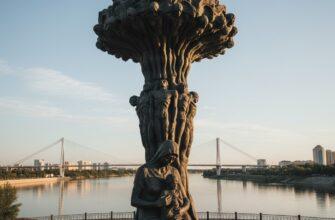
A stunning example of modern architecture and a symbol of religious freedom in post-Soviet Kazakhstan is the Cathedral of the Blessed Virgin Mary of Fatima. This magnificent neo-Gothic cathedral is one of the largest Catholic churches in Central Asia. Its soaring spires and intricate stained-glass windows create an atmosphere of awe and tranquility. In contrast, the Independence Stele, located in a central square, celebrates Kazakhstan’s sovereignty. This towering monument, crowned with a golden eagle, is a powerful symbol of national pride and the country’s forward-looking vision.
Family-Friendly Fun: A Day at Karagandy Zoo
For those traveling with family, the Karagandy Zoo provides a delightful day out. As one of the oldest zoos in Kazakhstan, it is home to a wide variety of animal species from around the world. The zoo is a popular local attraction, offering a chance to see everything from majestic big cats and bears to exotic birds and primates. It’s a relaxed and enjoyable way to spend an afternoon, providing entertainment and educational opportunities for visitors of all ages.
Taste and Tradition: Immersive Local Experiences
To truly connect with Karaganda, one must engage with its daily life and flavors. The city’s culinary scene and local markets offer an authentic window into its culture.
Savoring Karaganda: A Culinary Journey
Kazakh cuisine is hearty, flavorful, and deeply rooted in its nomadic traditions. In Karaganda, you can explore a rich tapestry of tastes. Be sure to try beshbarmak, the national dish of meat and noodles, or savory lagman (hand-pulled noodles with meat and vegetables). Shashlik (grilled meat skewers) is a ubiquitous and delicious staple. The city’s food scene is vibrant and accessible, boasting one of the highest numbers of cafes in the country, with 464 establishments across the region. From traditional canteens serving authentic fare to modern coffee shops, there are endless opportunities to savor local cuisine.
Engaging with Local Life: Markets and Beyond
For a truly immersive experience, wander through one of Karaganda’s local markets. Here, you can witness the daily hum of city life, browse stalls piled high with fresh produce, dried fruits, and local cheeses, and engage with friendly vendors. Beyond the markets, you can catch a film at the classic Sary Arka Cinema or see a performance at the Miners’ Palace of Culture to experience local entertainment firsthand.
Beyond the Cityscape: Adventures in the Karaganda Region
The city of Karaganda is the gateway to a region of vast natural beauty and dramatic landscapes. Venturing beyond the urban core reveals the soul of Central Kazakhstan.
The Majestic Kazakh Steppes
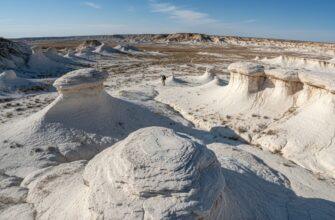
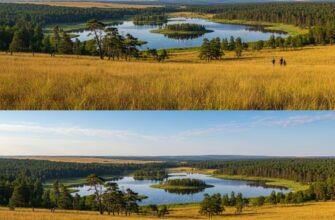
Karaganda is surrounded by the Kazakh steppes, an immense sea of grass that stretches to the horizon. This iconic landscape has shaped the history and culture of the region for millennia. Taking a drive out of the city offers a humbling perspective on the scale and raw beauty of nature. The stark, open vistas, especially at sunrise or sunset, provide unforgettable scenery and a sense of profound peace and solitude.
Excursions to Karkaraly National Park
Approximately 220 kilometers east of Karaganda lies Karkaraly National Park, a stunning natural oasis often called the “Switzerland of Kazakhstan.” This picturesque area features pine-covered granite mountains, pristine lakes, and unique rock formations. It’s a popular destination for hiking, camping, and wildlife spotting. A day trip or an overnight stay in Karkaraly offers a refreshing contrast to the city and showcases the incredible natural diversity of the Karaganda Region.
Practical Tips for Your Karaganda Exploration
A little planning can help you make the most of your visit to this unique destination.
Navigating the City: Transportation Options
Getting around Karaganda is relatively straightforward. The city has an extensive network of buses and marshrutkas (shared minibusses) that cover most areas. For more convenience, ride-hailing apps like Yandex Go are widely available and offer an affordable and efficient way to travel. For trips to sites outside the city, such as the KarLag Museum, hiring a private taxi for the day is a common and practical option.
Best Time to Visit and What to Pack
Karaganda experiences a harsh continental climate with cold winters and hot summers. The best times to visit are during the shoulder seasons: late spring (May to June) and early autumn (September to October). During these months, the weather is pleasantly mild and ideal for exploring both the city and the surrounding nature. Be sure to pack layers, as temperatures can change quickly, and include comfortable walking shoes.
Accommodation Guide: Finding Your Perfect Stay
Karaganda offers a range of accommodation options to suit various budgets, from modern international hotels to cozy guesthouses and private apartment rentals. When booking online, it’s always wise to check recent reviews and customer ratings to ensure quality, and be mindful of the cancellation rate and policy, especially if your travel plans are flexible. Central locations near Bukhar-Zhyrau Avenue provide easy access to many key attractions.
Responsible Travel in Karaganda
When visiting historical sites of a sensitive nature, such as the KarLag Museum, it is crucial to be respectful and mindful of their solemn purpose. Support the local economy by dining at independent cafes, shopping at local markets, and hiring local guides. A thoughtful and responsible approach will enrich your experience and ensure your visit has a positive impact.
Your Karaganda Adventure Awaits!
Karaganda is a city that leaves a lasting impression. It challenges, educates, and ultimately inspires.
Embrace the Unique Spirit of Karaganda
A journey to Karaganda is more than just a tour of sights; it is an exploration of history, a witness to resilience, and an encounter with a culture that is both deeply traditional and dynamically modern. It’s a city that doesn’t shy away from its difficult past but uses it as a foundation upon which to build a vibrant future. From the solemn grounds of Karlag to the lively atmosphere of Central Park, Karaganda offers a rich and rewarding travel experience for those willing to look beyond the surface. Come and discover the unique, unforgettable spirit of this Kazakh heartland city.