National Parks of Kazakhstan: A Comprehensive Guide
Kazakhstan, the ninth largest country in the world, boasts an impressive array of national parks that showcase its diverse landscapes – from snow-capped mountains and crystal-clear lakes to vast steppes and dramatic canyons. This comprehensive guide explores Kazakhstan’s network of protected areas, highlighting their unique features, wildlife, and visitor information to help you plan your journey through these natural treasures.

Overview of Kazakhstan’s National Park System
Kazakhstan has established 14 national nature parks and 10 nature reserves to preserve its unique ecosystems and biodiversity. These protected areas span the country’s varied geography, safeguarding endangered species, historical monuments, and distinctive landscapes. From the country’s first national park established in 1985 (Bayanaul) to the newer additions like Tarbagatay National Park created in 2018, Kazakhstan continues to expand its conservation efforts to protect its natural heritage.
Major National Parks in Kazakhstan
Burabay National Park

Location and Geography
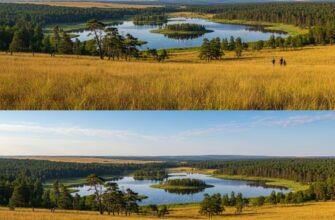
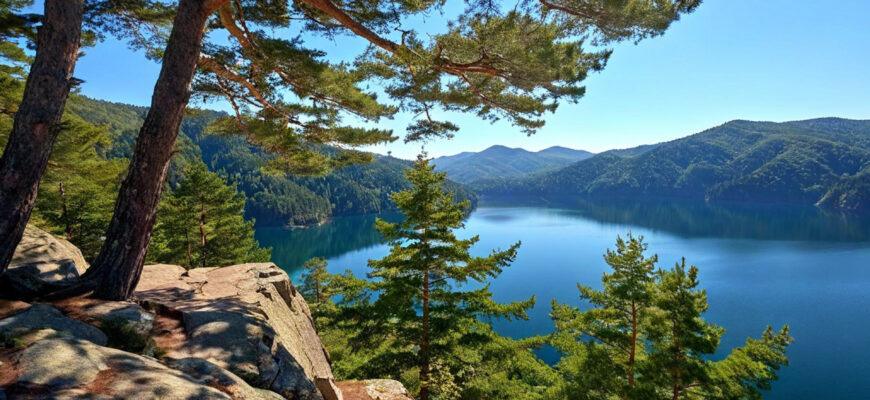
Burabay National Park, often called the “Kazakh Switzerland,” is located in the Akmola Region of north-central Kazakhstan. Covering 835 square kilometers, the park was established in 2000 to preserve its unique ecosystem while allowing for regulated tourism.
Natural Features
The park combines resort facilities, ecotourism opportunities, and nature conservation within a picturesque setting of low mountains and pine forests situated on the Kokshetau steppe. With its therapeutic microclimate, clean lakes, and lush vegetation, Burabay offers a completely different world from the surrounding steppes.
Visitor Information
Hikers will appreciate the various trails through forests and up to viewpoints like Mount Bolektau, which offers beautiful panoramas of the park’s scenic lakes. During summer, the park becomes popular with visitors from Astana who come to swim and sunbathe on Lake Borovoe’s beaches. Being relatively close to Astana, Burabay is one of the most accessible national parks for both domestic and international tourists.
Kokshetau National Park
Location and Size
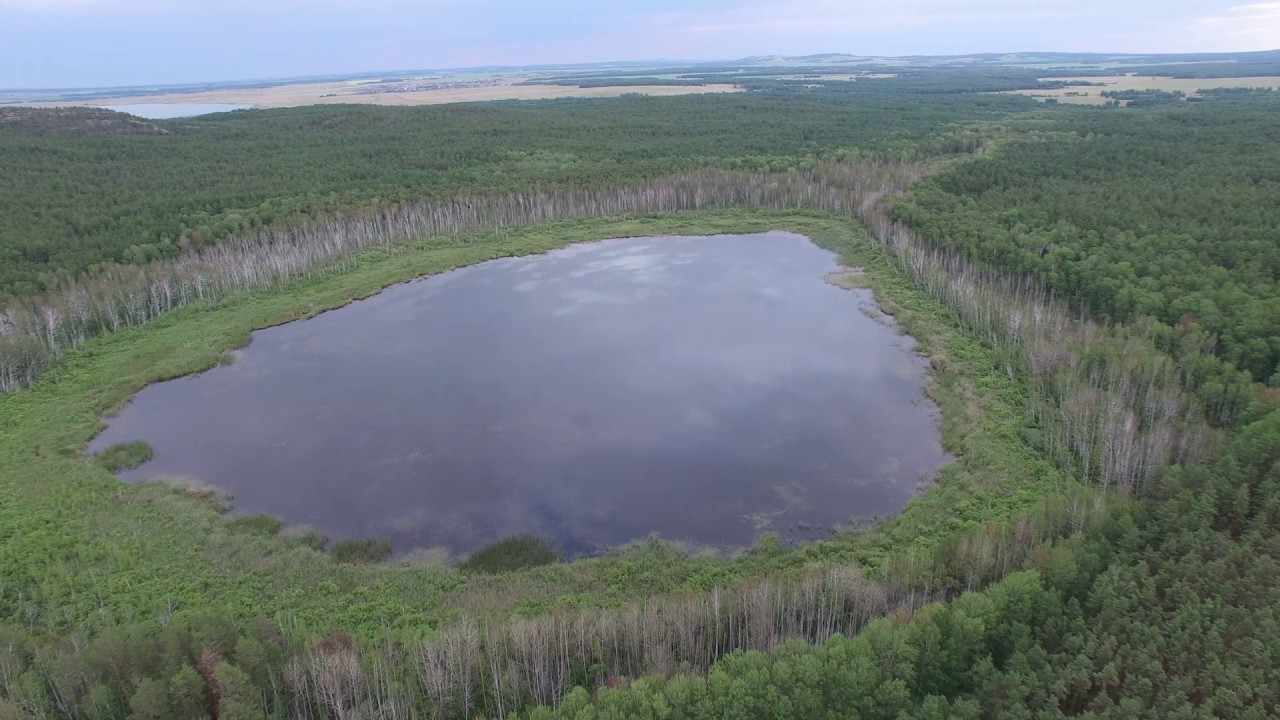
Kokshetau National Park spans both the Akmola and North Kazakhstan Regions, covering an impressive 182,076 hectares (1,821 km²). The park’s boundary lies approximately 45 kilometers west of the city of Kokshetau and 275 kilometers northwest of Kazakhstan’s capital.
Landscape and Features
The park features a unique “island” landscape of forests, lakes, and mountains surrounded by steppe, creating an ecological transition zone between the Siberian taiga to the north and the southern steppes. This diverse terrain supports a rich ecosystem with 800 plant species and 305 species of animals.
Main Sectors
Kokshetau National Park is divided into five main sectors:
- Zerenda branch: Forested area with holiday camps and youth facilities around Lake Zerenda
- Shalkar branch: Featuring low mountains, hills, and ridges with recreational facilities around Lake Shalkar
- Aiyrtau branch: A managed forest first developed in 1898 with an arboretum and experimental forestry sections
- Additionally, the park preserves archaeological sites and historical monuments, including an ancient settlement belonging to the Botai culture
Altyn Emel National Park
.jpg)
Location and Establishment
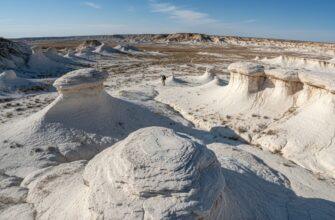
Established on April 10, 1996, Altyn Emel National Park is located in the Almaty Region, covering approximately 4,600 square kilometers between the Ili River and the Ak-Tau mountain range, near Lake Kapchagai.
Natural Wonders
The park’s most famous attraction is the Singing Barchan dune, a unique natural phenomenon stretching 1.5 km long and reaching 120m in height. When the wind blows from the west, dispersing the sands, visitors experience a sound reminiscent of pipe organs playing in the heart of the desert – a phenomenon scientists believe results from sand particles becoming electrified through friction in hot, dry weather.
Biodiversity
Altyn Emel’s flora includes an impressive 1,800 plant species, 21 of which are listed in the Red Book of Kazakhstan. The park is home to numerous rare animals, including the kulan, goitered gazelle, and argali sheep. As part of the UNESCO program, the park plays a crucial role in regional conservation efforts.
Historical Significance
Beyond natural wonders, the park preserves important archaeological sites like Bes-Shatir, a complex of Saco burial mounds dating back to the early Iron Age (VII-VI centuries BC). These historical monuments represent the heritage of the great nomads who once traversed Central Asia’s steppes.
Charyn Canyon National Park
Location and Features
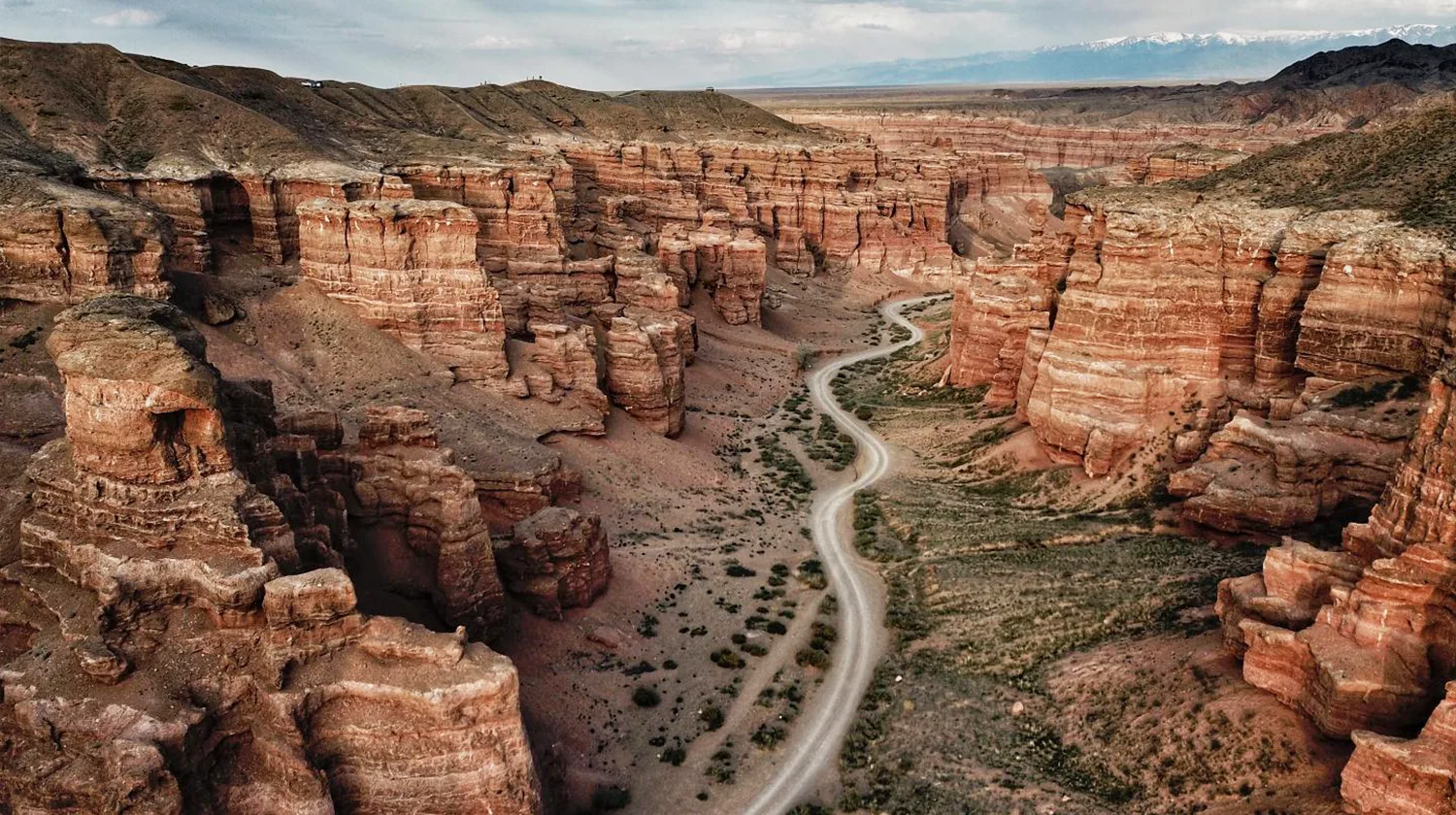
Established in 2004 in the Almaty Region, Charyn Canyon National Park covers 1,251 square kilometers along the Charyn River. The park’s centerpiece, Charyn Canyon, with its distinctive red sedimentary rock formations, is often compared to the Grand Canyon in the United States, though at 50 kilometers long, it is considerably smaller.
Activities and Access
Visitors can enjoy hiking, photography, and exploring the canyon’s unique formations. The Valley of Castles section offers a 6 km round trip trail providing closer views of the canyon, with a river at the end where travelers can rest under trees. The best time to visit is between May and September.
Ile-Alatau National Park
Location and Establishment
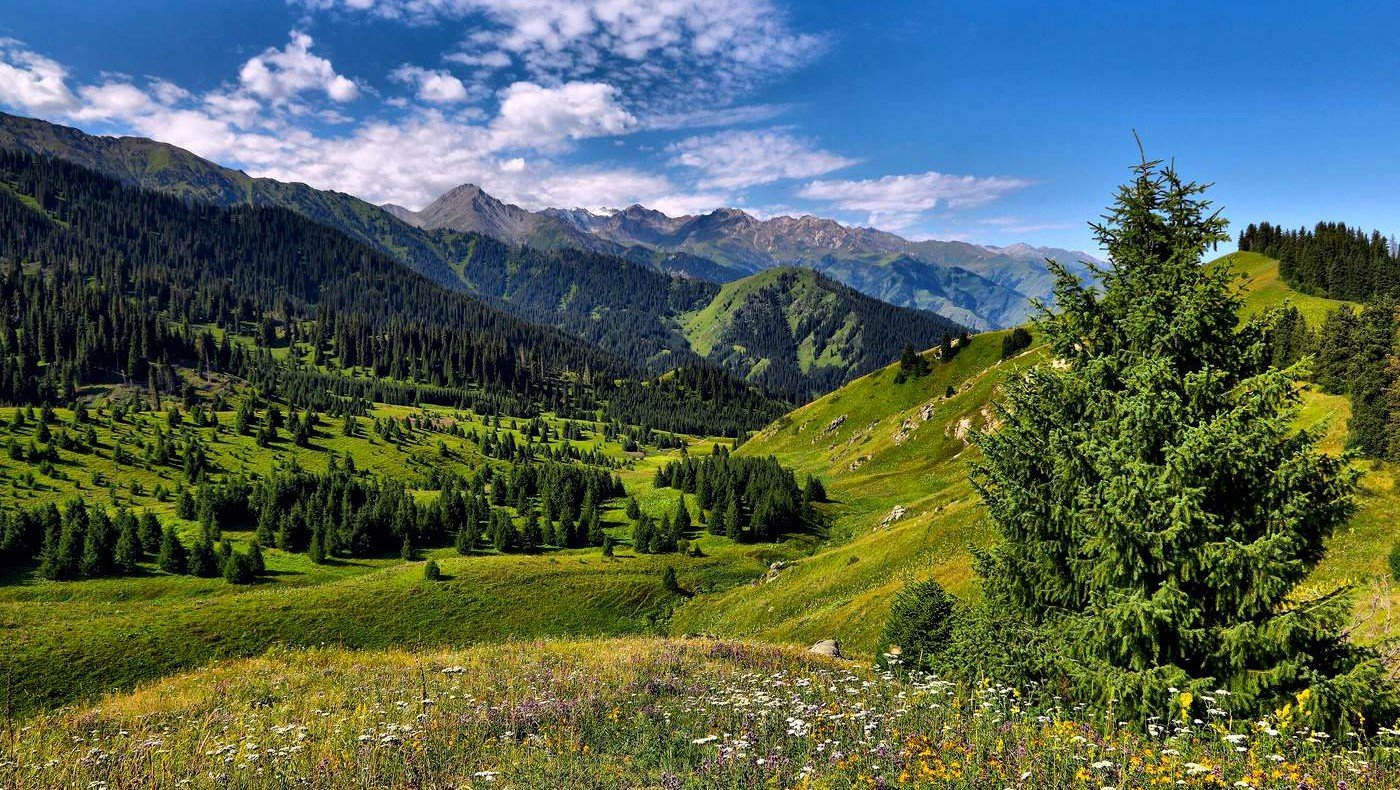
Established in 1996, Ile-Alatau National Park spans 2,000 square kilometers in the Almaty Region, situated south of the city of Almaty between Gorge Turgen in the east and Chemolgan River in the west.
Flora and Features
The park focuses on preserving the Tien Shan spruce, Sievers apple tree, and wild apricot among other species. Its diverse landscapes include glaciers, alpine meadows, and coniferous forests.
Key Attractions
Notable features within the park include the Medeu Skating Rink, Big Almaty Lake, and Big Almaty Peak. Visitors can enjoy hiking, skiing, and wildlife observation, with opportunities to spot rare species like the snow leopard and ibex.
Katon-Karagay National Park
Size and Location
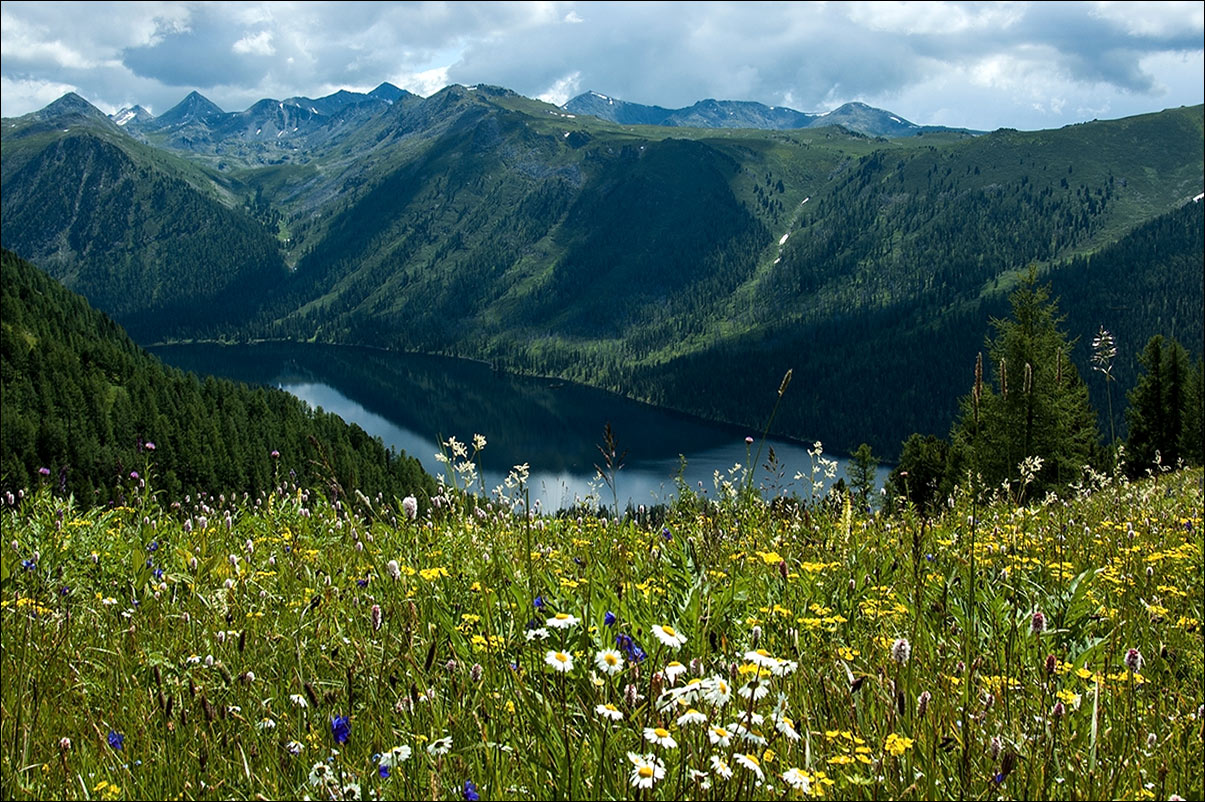
Katon-Karagay National Park holds the distinction of being the largest national park in Kazakhstan, covering 6,434 square kilometers in the East Kazakhstan Region. It was established in 2001.
Landscape
The park is defined by the spectacular Altay mountains and includes the Kazakh part of Mount Belukha and the Berel Historical and Cultural Reserve-Museum.
National Parks Near Astana
For visitors based in Kazakhstan’s capital, two national parks offer relatively easy access:
Burabay National Park
As mentioned earlier, Burabay is located “just around the corner from Astana” and is one of the most popular national parks in northern Kazakhstan. Its proximity makes it ideal for weekend trips from the capital.
Korgalzhyn Nature Reserve

Located 130 kilometers southwest of Astana in the Akmola region, Korgalzhyn State Nature Reserve covers 5,431.71 square kilometers. Established in 1968, it’s the largest reserve in Kazakhstan and primarily consists of wetlands, including two large lakes – salty drainless Tengiz Lake and the flowing waters of Kurgalzhyn. The reserve is home to over 300 bird species (32 of which are listed in the Red Data Book), making it a premier destination for birdwatching.
Other Notable National Parks
Tarbagatay National Park
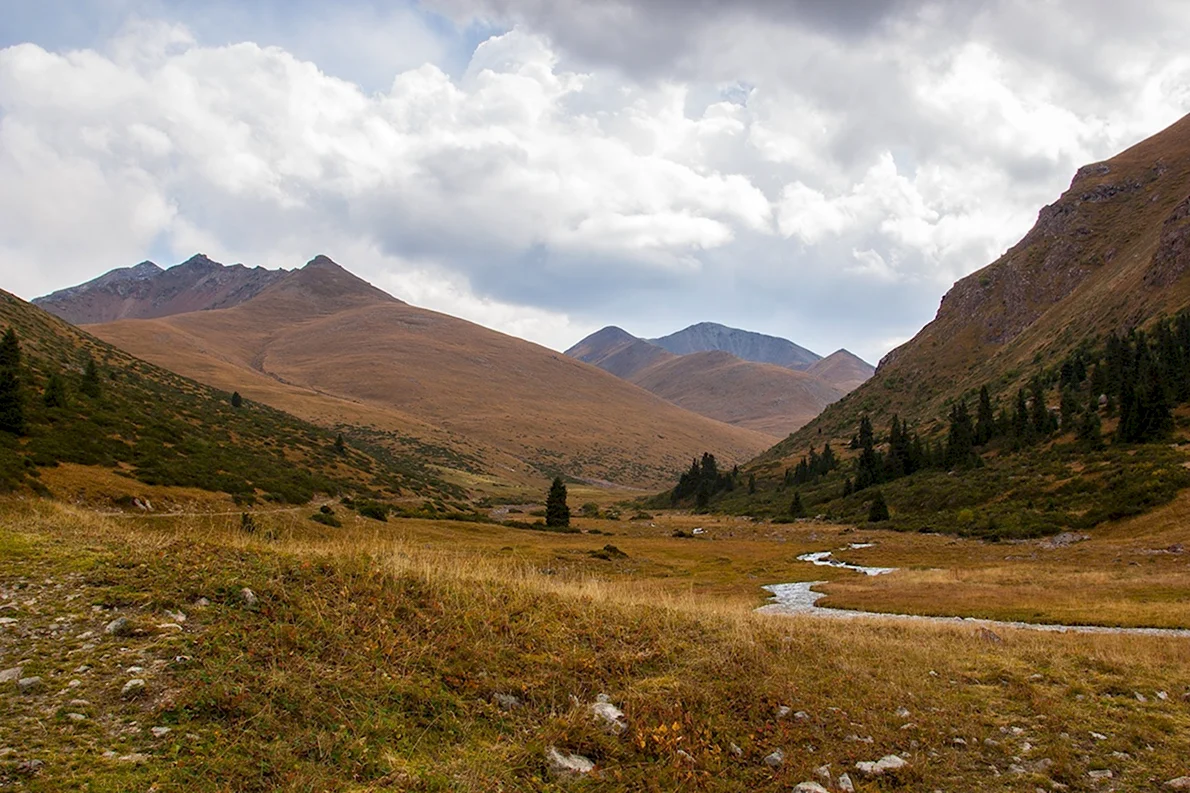
Established relatively recently in 2018, Tarbagatay National Park protects 136,367 hectares (1,364 km²) of mountain-steppe in East Kazakhstan near Urzhar city. The park was created to preserve stands of wild fruit trees that have been isolated from genetic encroachment by commercial varieties. It boasts impressive biodiversity with over 1,600 species of vascular plants, 270 bird species, and 80 mammal species identified within its boundaries.
Kolsay Lakes National Park
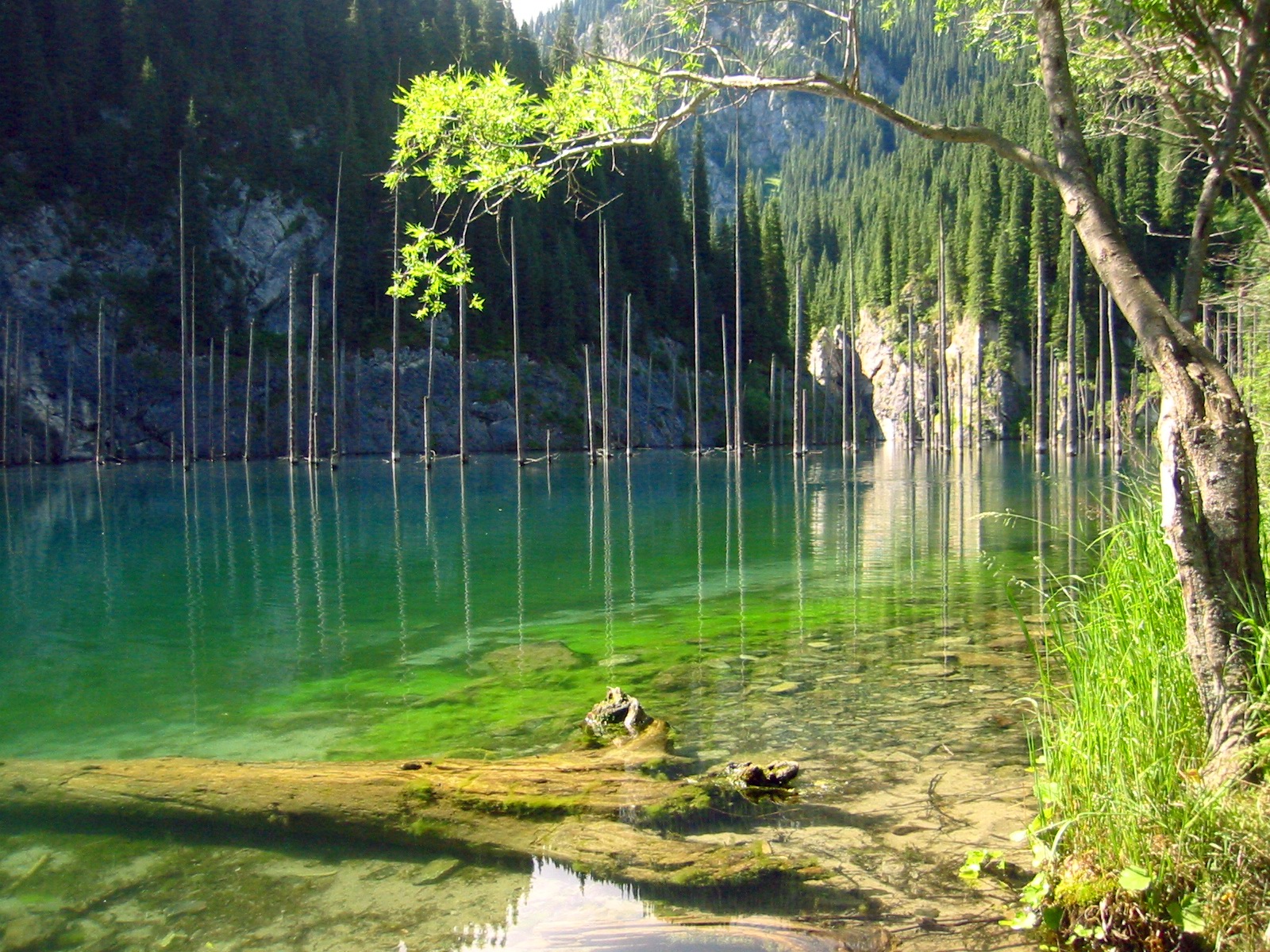
Located on the northern slope of the Tian Shan Mountains in the Almaty Region, this park covers 1,619 square kilometers and features the stunning Kolsay Lakes and Lake Kaindy. These waters are known for their crystal clarity, reflecting surrounding snow-capped peaks and dense coniferous forests, earning them the nickname “Pearls of Tien Shan”. The best time to visit is between May and September.
Bayanaul National Park
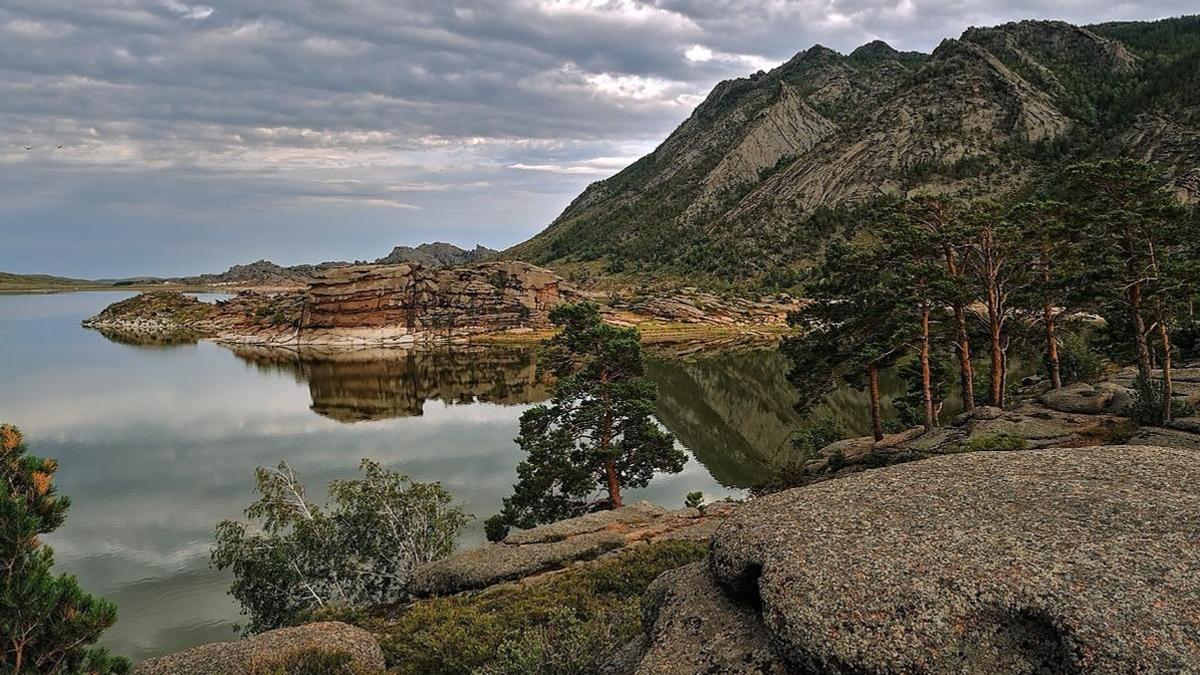
Established in 1985 as Kazakhstan’s first national park, Bayanaul covers 684 square kilometers in Pavlodar Province, 140 kilometers from Ekibastuz. The park features unique rock formations, blue lakes, and pine forests, making it historically significant in Kazakhstan’s conservation history.
Practical Information for Visitors
Best Time to Visit
For most of Kazakhstan’s national parks, the optimal visiting period is from May to September, when weather conditions are most favorable and natural features are most accessible. However, specific parks may have different ideal visiting times depending on their location and elevation.
Transportation and Access
Getting to Kazakhstan’s national parks typically requires some planning:
- From major cities like Almaty, visitors can hire taxis, join tours, or sometimes use public transportation to reach nearby parks
- For parks like Big Almaty Lake, visitors may need to walk from checkpoints or pay for transportation to reach viewpoints (approximately 3400-10000 tenge per person)
- Some remote areas might require 4WD vehicles or guided transportation
- Important note: Access to certain areas may be restricted seasonally due to weather conditions, such as avalanche risks in mountainous parks during spring
Accommodation Options
Accommodation varies widely between parks:
- More developed parks like Burabay offer resorts, hotels, and guest houses
- Lake shores in Kokshetau National Park are dotted with recreation facilities offering various accommodation options
- For more remote parks, camping may be the primary option, though visitors should check regulations beforehand
- In some cases, staying in nearby cities and making day trips to parks is recommended
Activities
Kazakhstan’s national parks offer diverse activities for visitors:
- Hiking and trekking (popular in most parks)
- Wildlife observation and birdwatching (especially in Korgalzhyn)
- Photography of unique landscapes
- Swimming and sunbathing (summer activities in parks with lakes)
- Winter sports in some mountainous parks
- Cultural and historical exploration at archaeological sites
Conservation Challenges and Efforts
Kazakhstan’s national parks face various conservation challenges, including:
- Need for infrastructure development balanced with preservation goals
- Financing requirements for road repairs, building maintenance, and water/sewage facilities
- Limited personnel, including guides and rangers
- Sustainable tourism development that respects carrying capacities of fragile ecosystems
Conservation efforts include:
- Establishing protected status for ecologically significant areas
- Creating species action plans for endangered wildlife
- Promoting sustainable ecotourism principles, particularly in parks like Altynemel
- Engaging local communities in conservation and tourism development
Conclusion
Kazakhstan’s national parks represent the country’s commitment to preserving its diverse natural heritage while allowing visitors to experience these extraordinary landscapes. From the alpine lakes of Burabay to the singing dunes of Altyn Emel, each park offers unique opportunities to connect with Kazakhstan’s nature and culture.
The national park system continues to evolve, with newer parks like Tarbagatay joining established conservation areas. For travelers seeking destinations away from typical tourist routes, Kazakhstan’s national parks offer authentic experiences in relatively uncrowded natural settings – true wilderness adventures in the heart of Central Asia.
Whether you’re planning a short excursion from Astana or a dedicated journey through multiple parks, this guide provides the essential information to begin exploring Kazakhstan’s remarkable protected areas. As tourism infrastructure continues to develop, these natural treasures will likely become increasingly accessible while maintaining their ecological integrity and wild character.