Nova Scotia Fishing: Your Raw Guide to Hooks, Tides & Trophies
No fluff—just maps, species, and local secrets.
Nova Scotia, with its 7,400 miles of saltwater coastline, over 3,000 lakes, and 130 rivers, is a fishing paradise for beginners and seasoned anglers alike. From the thrill of battling giant bluefin tuna off Halifax to the serene pursuit of brook trout in Cape Breton’s backcountry, this guide covers everything you need to know to fish responsibly and successfully in Nova Scotia. Below, we dive into licensing, prime fishing spots, unique activities, winter fishing, and local resources, all tailored to help you plan an unforgettable angling adventure.
I. Start Here: Licenses, Seasons & Real Talk
Licensing Requirements
To fish in Nova Scotia’s freshwater bodies, excluding salmon, you’ll need a General Fishing Licence, available online or at various vendors like convenience stores or sporting goods shops such as Vernon D’Eon in Yarmouth or Pictou Supplies. For Atlantic salmon, a separate Salmon Fishing Licence is required, costing approximately $30 for a one-day non-resident licence or $63.65 for seven days. Saltwater fishing, managed by the Department of Fisheries and Oceans (DFO), requires no licence but strict adherence to federal regulations on seasons, bag limits, and gear.
2025 Regulation Updates
As of April 1, 2025, anglers must retain all chain pickerel caught province-wide and smallmouth bass in specific areas (east of Highway 102 from its junction with Highway 104 to Highway 328, and the west branch of the LaHave River) to control these invasive species. Other key regulations include:
-
Trout: April 1 to September 30, bag limit of 5 fish (brook, brown, rainbow), with no retention of brook trout in September.
-
Striped Bass: Minimum size 68 cm, maximum 150 cm, bag limit of 1 fish in tidal waters.
-
Gaspereau and Smelt: Specific bag limits and seasonal closures apply (see below for details).
Always consult the Nova Scotia Anglers’ Handbook for the latest rules. Licences are valid until March 31, 2026, and must be reported by returning the licence stub.
Free Fishing Weekend
Nova Scotia offers Free Fishing Weekends (typically in February and June), allowing residents to fish without a licence in designated waters. Check the Government of Nova Scotia’s sportfishing page for exact dates and eligible locations.
Where to Gear Up
-
Vernon D’Eon (Yarmouth): Offers a wide range of fishing tackle and bait.
-
Pictou Supplies (Pictou): A go-to for rods, reels, and local advice.
| Regulation | Details |
|---|---|
| General Fishing Licence | Required for freshwater fishing (except salmon). Available online or at vendors. |
| Salmon Licence | Required for salmon fishing; $30/day or $63.65/7 days for non-residents. |
| Saltwater Fishing | No licence needed, but follow DFO regulations. |
| Chain Pickerel | Mandatory retention province-wide. |
| Smallmouth Bass | Mandatory retention in specified areas. |
II. Halifax & Coast: Deep Sea Chaos
Halifax Harbours: Tuna Charters vs. Shore Squid Jigging
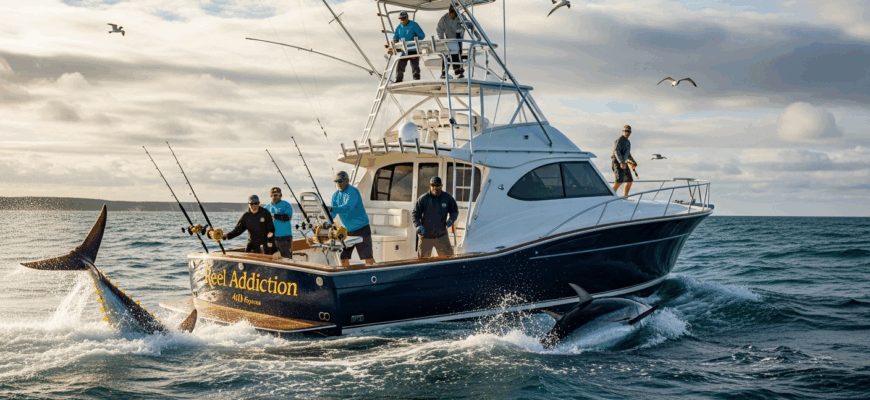
Halifax’s bustling waterfront is a gateway to thrilling fishing experiences. For bluefin tuna, book a charter with operators like Blue Shark Fishing Charters or Giant Bluefin Tuna Charters. These trips, often costing several hundred dollars, provide heavy tackle and expert guidance to tackle these powerful fish, which can exceed 1,000 pounds. Alternatively, squid jigging from shore is a budget-friendly option. During July and August, head to Sambro Wharf at night with a squid jig and a light to attract schools of squid. Use a 10-foot spinning rod and a bucket to collect your catch, but beware of ink splashes!
Peggy’s Cove: Bluefin Madness ($$ vs. DIY Tips)
Located in St. Margaret’s Bay, Peggy’s Cove is part of a major bluefin tuna fishery. Charters like World Record Bluefin Tuna Charters operate in nearby waters, offering all-inclusive trips for a premium price. For a more affordable option, Peggy’s Cove Boat Tours runs 2-hour deep-sea fishing trips targeting cod, mackerel, haddock, and pollock, with a chance to spot tuna. DIY shore fishing is possible for species like mackerel, but bluefin tuna require a boat and specialized gear, making charters the better choice. Always exercise caution on the rocky shores due to rogue waves.
Eastern Passage: Mackerel Riots off the Wharves
Eastern Passage, at the entrance to Halifax Harbour, is famous for its mackerel fishing. During summer, anglers flock to the government wharf and boardwalk, using light spinning gear and feathers to catch Atlantic mackerel. The Fishbrain app confirms mackerel, pollock, and summer flounder are abundant here. Note that some wharves may have restrictions due to littering concerns, so check local rules before fishing.
Porter’s Lake: Hidden Bass Holes Locals Won’t Post
Porter’s Lake, near Halifax, is a hotspot for smallmouth bass, with white perch and brook trout also present. This large lake, accessible via Porter’s Lake Provincial Park, is best fished by boat, though shore fishing is possible. Local anglers often keep prime bass spots secret, but exploring coves and structures can yield great catches. Use apps like Fishbrain for fishing reports and depth maps to locate productive areas.
| Location | Species | Techniques | Tips |
|---|---|---|---|
| Halifax Harbours | Bluefin Tuna, Squid | Charters, Jigging | Book tuna charters early; jig squid at night with lights. |
| Peggy’s Cove | Bluefin Tuna, Cod, Mackerel | Charters, Shore Fishing | Charters for tuna; shore fishing for mackerel. |
| Eastern Passage | Mackerel, Pollock | Light Spinning, Feathers | Check wharf access rules. |
| Porter’s Lake | Smallmouth Bass, Perch | Boat, Shore Fishing | Explore coves; use Fishbrain for spots. |
III. Cape Breton: Salmon Dreams & Ice Cuts
Margaree River: Fly Strategy for Atlantic Salmon
The Margaree River, a Canadian Heritage River, is world-renowned for Atlantic salmon fishing from June 1 to October 31. Fly fishing with barbless hooks is mandatory, and public access makes it a unique destination. Guides like Robert Chiasson (Dry Fly Salmon) can navigate the river’s pools, using spey rods with floating lines and hand-built leaders (20 to 10 pounds). DIY anglers can succeed with proper research, but guides enhance success for novices. The season peaks in fall when salmon runs are strongest.
Cheticamp Deep Sea: Cod Comebacks & Shark Thrills
Cheticamp, an Acadian fishing village, offers deep-sea fishing opportunities. While specific charters are less documented, local fishermen may offer trips targeting cod and occasionally sharks (blue, mako, porbeagle). Contact the Harbour Authority of Cheticamp for local options. Cod populations are recovering, making it an exciting time to fish these waters.
Winter Mode: Smelt Shacks on Bras d’Or Lake
Bras d’Or Lake, Canada’s inland sea, is a winter fishing hotspot. From January to March, anglers set up shacks on the frozen lake to catch smelt, with a bag limit of 60 fish. The lake also supports rainbow and brook trout, with a winter bag limit of two trout. Popular launch points include Baddeck Yacht Club and Marble Mountain.
Lobster Truths: Respect the Traps
Recreational lobster fishing is illegal in Nova Scotia, reserved for commercial fishers. Respect commercial lobster traps by maintaining a 500-meter distance to avoid conflicts. For a taste of the industry, join tours like the Lobster Fisherman for a Day to learn about conservation and fishing practices.
| Location | Species | Techniques | Tips |
|---|---|---|---|
| Margaree River | Atlantic Salmon | Fly Fishing | Use barbless hooks; consider a guide. |
| Cheticamp | Cod, Sharks | Deep-Sea Charters | Inquire locally for fisherman-led trips. |
| Bras d’Or Lake | Smelt, trout | Ice Fishing | Set up shacks; check ice safety. |
| Lobster Traps | N/A | Respect Traps | Maintain 500m distance; join tours. |
IV. Inland Fury: Trout, Bass & Chain Pickerel
Deadly Trout Lakes
-
South: Sherbrooke Lake (Lunenburg County) and Dollar Lake (Halifax County) are prime for lake trout, with catch-and-release only from April 1 to September 30. Shubenacadie Grand Lake offers landlocked salmon and smallmouth bass.
-
Cape Breton: Fishing Cove in Cape Breton Highlands National Park is a hike-in spot for brook trout, accessible via a 6 km trail. A backcountry permit is required.
Annapolis Valley Striper Surge
The Shubenacadie River is famous for its tidal bore, creating dynamic conditions for striped bass fishing, especially in spring. Use live or artificial blood worms, crankbaits, or topwaters, and fish during tidal changes. Be cautious of strong currents and slippery banks.
Invasive Alert: Chain Pickerel
Chain pickerel, introduced in the 1940s, are invasive in Nova Scotia, decimating native trout and salmon populations in lakes like Wentzells Lake and the LaHave River. As of 2025, anglers must retain all pickerel caught to reduce their spread. Report sightings to inland@novascotia.ca.
| Location | Species | Status | Notes |
|---|---|---|---|
| Sherbrooke Lake | Lake Trout | Catch-and-Release | Deep, cold lake; ideal for ice fishing. |
| Dollar Lake | Lake Trout | Catch-and-Release | Check regulations for seasons. |
| Fishing Cove | Brook Trout | Hike-In | Requires backcountry permit. |
| Shubenacadie River | Striped Bass | Seasonal | Fish during tidal bore; use heavy tackle. |
| Various Lakes | Chain Pickerel | Invasive | Mandatory retention; report sightings. |
V. Oddballs & Obsessions
Gaspereau Runs
Gaspereau (alewives) migrate up rivers like the Gaspereau River in spring to spawn, attracting locals who net them using dip nets or square nets (max 3.65 m²). A general fishing licence is required for inland waters, with a bag limit of 20 fish. This traditional practice, rooted in Mi’kmaq and Acadian heritage, is both cultural and culinary.
Night Squid Jigging Halifax Waterfront
From July to August, squid jigging at Halifax’s waterfront, particularly Sambro Wharf, is a must-try. Use a squid jig and fish under lights at night to attract squid. A 10-foot spinning rod and a bucket are all you need for this messy but fun activity.
Kayak Flounder Dragging in Lunenburg
In Lunenburg Harbour, winter flounder can be targeted from kayaks using bottom fishing or dragging bait along the seafloor. Lunenburg Kayak Rentals offers equipment, and the Fishbrain app can guide you to productive spots.
Eel Fishing: Weird, Muddy, and Weirdly Fun
American eel fishing is a unique challenge, often done in rivers and estuaries using eel pots, dip nets, or spears. With a bag limit of 10 in the Maritimes Region, it’s a cultural activity with a slippery, muddy appeal. Check regulations, as eels are considered threatened.
| Activity | Species | Method | Tips |
|---|---|---|---|
| Gaspereau Runs | Gaspereau | Netting | Licence required; fish in spring. |
| Squid Jigging | Squid | Jigging | Night fishing with lights; use a bucket. |
| Kayak Flounder | Winter Flounder | Bottom Fishing | Rent kayaks; check Fishbrain. |
| Eel Fishing | American Eel | Pots, Nets, Spears | Follow regulations; expect mud. |
VI. Winter Rules: Drills, Shanties & Survival
Top Hardwater Spots
-
Sherbrooke Lake and Dollar Lake: Ideal for lake trout ice fishing, with catch-and-release rules.
-
Albro Lake (Dartmouth): Stocked with rainbow and brook trout, it’s a family-friendly spot for ice fishing, with a bag limit of two trout.
2025 Ice Safety
Ice must be at least 20 cm thick for safe fishing, especially with shacks. The Halifax Regional Municipality no longer tests ice thickness, so check local weather and conditions. Wear layered clothing, waterproof boots, and carry ice picks and a throw rope to prevent hypothermia. Visit Halifax Search and Rescue for safety tips.
Smelt Dippers vs. Spearfishing Maniacs
Smelt fishing on frozen lakes like Bras d’Or involves two methods: dip netting, using small nets through ice holes, and spearfishing, a traditional technique requiring skill. The bag limit is 60 smelt, making it a popular winter activity.
| Location | Species | Method | Safety Tips |
|---|---|---|---|
| Sherbrooke Lake | Lake Trout | Ice Fishing | Ensure 20 cm ice; use catch-and-release. |
| Albro Lake | Trout | Ice Fishing | Family-friendly; check stocking updates. |
| Bras d’Or Lake | Smelt | Dip Netting, Spearfishing | Monitor ice thickness; carry safety gear. |
VII. Local Intel: Museums, Guides & Grudges
Lunenburg Fisheries Museum: Worth the $12?
The Fisheries Museum of the Atlantic in Lunenburg is a must-visit for anglers. For approximately $12, explore three floors of exhibits on Mi’kmaq, inshore, and banks fisheries, restored vessels, and a small aquarium. Reviewers praise the knowledgeable staff and interactive displays, making it well worth the cost.
Cape Breton Fishing Fanatics
Join the Cape Breton Fishing Fanatics Facebook group for local tips, fishing reports, and community insights. Members share catches, like a 49-pound striped bass, and discuss techniques and locations.
Guide Truths: When to DIY vs. Charter
-
Tuna: Requires charters due to deep-sea conditions and heavy tackle. Operators like Blue Shark Fishing Charters ensure success.
-
Trout: DIY-friendly in lakes and rivers with basic gear. Use resources like the Anglers’ Handbook for spots and regulations.
Why “Nova Scotia Shark Fishing” is Mostly Hype
While shark fishing charters like Blue Shark Fishing Charters offer thrilling catch-and-release experiences for blue, mako, and porbeagle sharks, success isn’t guaranteed. Smaller sharks may be less exciting, and new regulations have ended traditional shark derbies. Choose reputable charters and set realistic expectations.
VIII. Fish With Respect
-
Handle Fish Carefully: Keep salmon wet and minimize handling time to ensure their survival.
-
Prevent Invasive Spread: Do not move baitfish between water bodies to avoid spreading species like chain pickerel.
-
Respect Commercial Operations: Maintain a 500-meter distance from lobster boats and traps to support local fishers.
This guide equips you with the knowledge to fish Nova Scotia’s waters responsibly, from securing licences to exploring unique angling experiences. Whether you’re casting in Halifax’s harbors or hiking to Fishing Cove, respect the environment and local traditions for a rewarding adventure.
Citations:
-
Fish Nova Scotia
-
Government of Nova Scotia – Sportfishing
-
Department of Fisheries and Oceans Canada
-
Fisheries Museum of the Atlantic
-
Blue Shark Fishing Charters
-
Cape Breton Fishing Fanatics