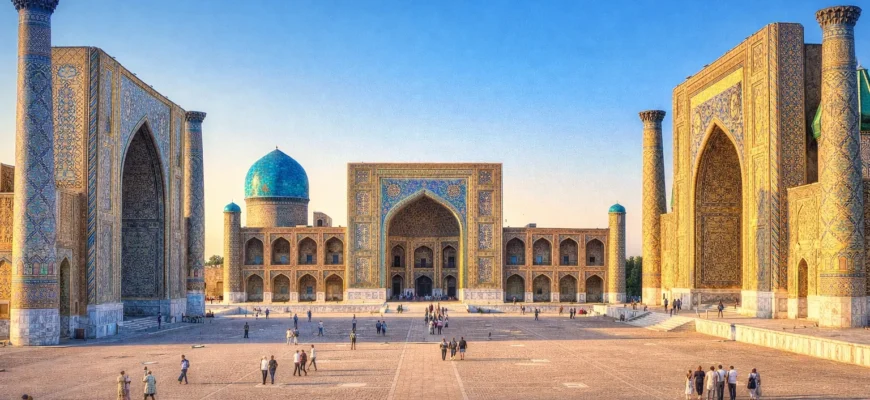
Central Asia represents one of the world’s final travel frontiers—a region where ancient Silk Road cities rise from desert plains, nomadic traditions endure across vast steppes, and towering mountain ranges rival any global landscape. The five Central Asian republics—Kazakhstan, Kyrgyzstan, Tajikistan, Turkmenistan, and Uzbekistan—collectively offer a compelling destination for independent travelers seeking cultural immersion, adventure, and authentic experiences largely untouched by mass tourism. This comprehensive guide addresses the critical planning decisions that independent travelers face: which countries to prioritize, how long to spend, what visas are required, and how to construct an itinerary that balances accessibility with authentic discovery. Whether you’re planning a two-week highlight tour or a month-long expedition across all five nations, this guide provides the current 2026 information, practical logistics, and strategic insights needed to travel Central Asia confidently.
Section 1: Planning Your Central Asia Journey
Essential Planning Information
Successful Central Asia travel hinges on three foundational decisions: timing, visa strategy, and route selection. Unlike Southeast Asia or Europe, Central Asia rewards travelers who invest in detailed advance planning. Regional security varies by country, visa processing differs dramatically, and seasonal weather swings from extreme heat to impassable mountain conditions.
Best Time to Visit Central Asia
Central Asia experiences four distinct seasons, each with different appeal and implications.
Spring (April-May) offers ideal conditions for Silk Road cities. Samarkand and Bukhara show their architectural brilliance with moderate temperatures (18-26°C / 64-79°F), perfect for exploring UNESCO sites and navigating bazaars. Spring almond blossoms and wildflowers add natural color. Tourist crowds remain moderate compared to summer peaks. This is the optimal window for trekking in the Fann Mountains before high passes open.
Summer (June-August) delivers peak conditions for mountain adventures. High alpine passes become accessible, yurt camps open across Kyrgyzstan’s alpine plateaus, and traditional eagle-hunting festivals occur in Kazakhstan. However, temperatures in Uzbekistan’s desert cities (Bukhara, Khiva) exceed 35°C (95°F), making daytime exploration uncomfortable. Issyk-Kul Lake reaches swimmable temperatures, attracting sun-seekers. Summer represents peak season with higher prices and larger tour groups.
Autumn (September-October) combines the advantages of both spring and summer. Uzbekistan’s cities cool to comfortable levels (20-28°C), mountains remain accessible before winter closure, and the harvest period brings cultural events. Tourist numbers drop post-summer, lowering accommodation pressure. This is arguably the region’s best overall season.
Winter (November-March) presents challenges. Mountain roads close due to snow, Pamir Highway becomes impassable, and high-altitude treks cease. However, winter sports enthusiasts can access Kyrgyzstan’s ski resorts and experience dramatic snow landscapes. Wintertime offers the lowest prices, but represents the region’s most difficult travel window.
How Long to Spend in Central Asia
Minimum 2-3 weeks allows meaningful exploration of 2-3 countries. This timeframe prevents the logistical drain of constant movement while enabling depth in 1-2 destinations. A two-week itinerary typically covers Uzbekistan plus either Kyrgyzstan or Kazakhstan.
One month (3-4 weeks) is the recommended sweet spot for visiting all five countries. This duration accommodates the Pamir Highway’s time demands, allows several days per country beyond transit, and reduces the grinding pace of constant relocation. Tour operators consistently market 18-24 day “Five Stans” packages reflecting this optimal window.
Five weeks or longer enables genuine exploration: extended mountain treks, rural village homestays, and the flexibility to extend compelling destinations. Experienced independent travelers often use this window to visit each country’s second-tier cities beyond the famous Silk Road triangle.
Visa Requirements & Entry Points
Uzbekistan’s January 2026 announcement of visa-free entry for all U.S. citizens (30 days, no invitation letter required) represents a significant liberalization that applies to all Western nationals. Combined with visa-free arrangements for EU, Australian, and Canadian citizens, Uzbekistan now ranks among Central Asia’s most accessible nations. The 30-day window suits the classic 7-10 day Silk Road itinerary.
Kyrgyzstan remains exceptionally visa-friendly, offering 60-day visa-free entry for Western citizens and indefinite visa-free access for Armenian and Azerbaijani nationals. This generosity reflects Kyrgyzstan’s positioning as the region’s “backpacker gateway” and trekking hub. No invitation letter is required; simply arrive and begin exploring.
Tajikistan offers e-visa online through its government portal for 121 countries ($50, valid 45 days), eliminating the invitation letter requirement that previously complicated entry. This simplification has modernized Tajikistan’s tourism reception, though the Pamir Highway’s autonomous region (GBAO) technically requires a separate permit—most tour operators handle this through their local networks.
Kazakhstan extends 30-day visa-free entry to most Western nations and offers e-visas for 117 countries without prior invitation letters. Both Almaty and the capital Astana (renamed from Nur-Sultan) maintain modern visa processing infrastructure.
Turkmenistan maintains Central Asia’s most restrictive visa regime. Except for UN passport holders, all nationalities require an invitation letter issued by a government-licensed Turkmenistan travel agency and approved by the Ministry of Foreign Affairs. This letter enables a 10-day visa on arrival (extendable another 10 days). Critically, independent travel is not legally possible—all tourists must book through licensed agencies that provide mandatory guided transportation, accommodation, and guides. Recent government policy signals suggest electronic visas may be introduced in 2025-2026, but implementation details remain undefined.
Major Entry Points
-
Tashkent (Uzbekistan): Central Asia’s largest international hub with direct flights from Europe, Asia, and the Middle East
-
Almaty (Kazakhstan): Historic capital with excellent connectivity and mountain proximity
-
Bishkek (Kyrgyzstan): Regional gateway with budget carrier focus, ideal for trekking itineraries
-
Dushanbe (Tajikistan): Growing connectivity via Gulf hubs and Central Asian carriers
Overland entry from China remains viable via Kyrgyzstan (Torughart and Kyzyl-Art passes) and Tajikistan (Kulma Pass), though these high-altitude border crossings require 4WD vehicles and specialized permits.
Transportation Between Countries
Uzbekistan’s Afrosiyob high-speed train connects Tashkent and Samarkand in 2.5 hours, exemplifying the region’s improving infrastructure. Parallel trains link Samarkand-Bukhara, enabling efficient Silk Road routing. Trains require advance booking and run daily with multiple services.
Shared taxis (marshrutka) form the backbone of regional transport. Operating from designated bazaars in each city, these shared vans depart when full (typically 5-8 passengers) and navigate regional highways. Fares typically range $15-40 for 6-10 hour journeys. Marshrutkas offer authentic interactions with local travelers but no schedule guarantees.
Border crossings between Kazakhstan-Kyrgyzstan, Kyrgyzstan-Tajikistan, and Tajikistan-Afghanistan are among Central Asia’s more complex logistical points. Tajikistan-Afghanistan particularly demands respect—the border is militarized, and accidental border violations carry serious consequences. Most trekkers and overland adventurers use established tour operators or guides familiar with crossing procedures to navigate these transitions.
Section 2: The Five Stans Overview – Comparative Analysis
| Country | Best For | Difficulty | Budget/Day | Primary Highlights | Duration |
|---|---|---|---|---|---|
| Uzbekistan | History & Architecture | Easy | $30-50 | Samarkand, Bukhara, Khiva, Silk Road mosaics | 7-14 days |
| Kyrgyzstan | Nature & Adventure | Moderate | $25-40 | Song Kul, Issyk-Kul, high trekking, nomadic culture | 7-10 days |
| Kazakhstan | Modern Cities & Nature | Easy | $40-70 | Almaty, Charyn Canyon, Astana architecture, steppes | 7-10 days |
| Tajikistan | Mountain Adventure | Challenging | $30-50 | Pamir Highway, Fann Mountains, remote trekking | 10-14 days |
| Turkmenistan | Unique Experiences | Difficult | $80-150 (guided mandatory) | Darvaza Crater, Ashgabat, Ancient Merv | 5-7 days |
This comparison immediately reveals the region’s hierarchy: Uzbekistan and Kyrgyzstan dominate budget-conscious independent travel, while Tajikistan appeals to adventure trekkers and Turkmenistan attracts travelers seeking exclusivity and unusual experiences.
Section 3: Country-Specific Guides
Uzbekistan Travel Guide
Why Visit Uzbekistan
Uzbekistan constitutes the historical heart of the ancient Silk Road. More architectural heritage remains intact here than anywhere else in Central Asia—Samarkand’s turquoise domes and Shah-i-Zinda necropolis, Bukhara’s trading bazaars, and Khiva’s fortress city preserve centuries of Islamic design. The country welcomes approximately 12 million international visitors annually, and the 2025 expansion of visa-free entry to U.S. citizens catalyzed a 162% surge in Japanese visitor arrivals, reflecting Uzbekistan’s emergence as a mainstream Asian destination. Tourism infrastructure has modernized dramatically: reliable train networks, modern hotels, and professional guide services enable comfortable independent travel.
Top Destinations in Uzbekistan
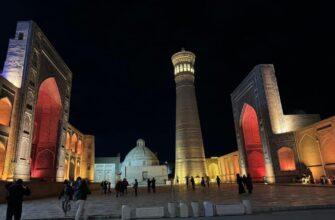
Samarkand represents the Silk Road’s architectural crown jewel. The Registan complex displays three madrasas with tilework of overwhelming intricacy—turquoise, cobalt, and gold mosaics create geometric patterns that photograph brilliantly in morning light. Shah-i-Zinda, a necropolis extending nearly a kilometer, features individually decorated mausoleums spanning five centuries. The Bibi-Khanym Mosque, built by Timur in the 15th century, ranks among Islam’s largest pre-modern structures. Recent climate-tourism research identifies April-May and September-October as peak comfort windows for Samarkand’s historic sites.
Bukhara embodies Islamic spirituality more than monumental grandeur. This compressed medieval city retains its original street layout; wandering the old bazaar reveals trading domes (tim) that functioned as covered markets for specific goods—silk, spices, carpets. The Ark Fortress dominates the city center; the Lyab-i Hauz complex surrounds a reflecting pool. Bukhara’s character emphasizes intimacy and layers of history rather than scale.
Khiva preserves perhaps Central Asia’s most intact medieval city. The Ichan Kala fortress walls remain fully standing; within them, narrow streets, small mosques, and residences evoke centuries-old Silk Road trade rhythms. The city’s compact size (roughly 900 meters × 400 meters) makes it fully walkable in a single day, yet it rewards unhurried exploration.
Tashkent, Uzbekistan’s modern capital, offers museums (including the Amir Timur Museum and Soviet-era repositories), extensive bazaars (especially the Chorsu Bazaar), and architectural contrasts between Soviet modernism and contemporary construction.
Fergana Valley in eastern Uzbekistan remains less-visited than the western Silk Road cities but rewards adventure: silk production centers, traditional ceramics workshops, and crossings into neighboring Kyrgyzstan and Tajikistan.
Practical Tips for Uzbekistan
Daily budget of $30-50 covers modest guesthouses ($15-20), local meals ($3-8), and site entrance fees ($1-3 per attraction). The Afrosiyob high-speed train between major cities costs approximately $20-30 per journey and represents regional transport at its most developed. A standard 7-10 day itinerary (Tashkent → Samarkand → Bukhara → Khiva) costs roughly $950-1,200 including accommodation, transport, and meals; 4-star heritage hotels cost $35-60 per night and often offer significant discounts through booking platforms.
Kyrgyzstan Travel Guide
Why Visit Kyrgyzstan
Kyrgyzstan earned its nickname “Switzerland of Central Asia” through dramatic topography: mountains cover 94% of the country, with peaks exceeding 5,000 meters dominating the landscape. Unlike Uzbekistan’s historical riches, Kyrgyzstan’s appeal derives from intact nomadic cultures, pristine high-altitude lakes, and trekking terrain that rivals Nepal or the Caucasus at a fraction of the cost. The country’s remarkable visa generosity (60-day visa-free for most Western nations) removes logistical friction for spontaneous travelers. Bishkek and Osh serve as cultural gateways; the real experience unfolds in remote valleys where traditional herding practices remain unchanged for centuries.
Top Destinations in Kyrgyzstan
Song Kul Lake, a high-altitude alpine lake at 3,016 meters, anchors Kyrgyzstan’s nomadic tourism experience. Summer yurt camps cluster along the lake’s southern shore; tourists sleep in felt-walled yurts, eat with herding families, and participate in daily pastoral routines. Stunning sunsets cast the surrounding peaks in gold. The Moldo Ashuu Pass approach offers spectacular mountain views.
Issyk-Kul Lake, the world’s second-largest alpine lake at 1,607 meters elevation, spans 182 kilometers—large enough to sustain beach resort culture on its southern shore while maintaining remote northern wilderness. The lake remains liquid year-round despite its elevation and latitude, creating microclimates that support diverse ecosystems. Karakol, the lake’s cultural center on the eastern end, provides access to Altyn-Arashan hot springs and Ak-Suu alpine trekking.
Osh rivals Samarkand for historical significance: the ancient Sulaiman Mountain features carvings and mosques dating to pre-Islamic eras. The city serves as southern Kyrgyzstan’s hub and jumping-off point for Pamir Highway adventures.
Arslanbob Walnut Forests, among the world’s largest natural walnut stands, cloak mountain slopes in stunning autumn colors. Small villages within the forest maintain traditional felt-making and offer homestay tourism experiences.
Fann Mountains (technically in Tajikistan but often accessed from Kyrgyzstan) feature dozens of alpine lakes with impossible colors and surrounding peaks exceeding 5,000 meters. Popular multi-day treks connect Lakes Alom, Bouvon, and others.
Practical Tips for Kyrgyzstan
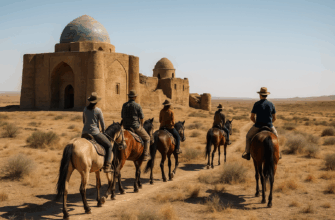
Budget of $25-40 daily covers basic guesthouses ($8-15), street food and local eateries ($2-5 per meal), and activity costs. Yurt camp accommodation ranges $15-30 per night. Song Kul and Issyk-Kul tours typically cost $300-600 for 4-7 day experiences including transportation, accommodation in yurts, meals, and guide services. The country’s mountainous terrain requires 4WD transportation; shared minibuses (marshrutka) connect major towns but mountain areas demand vehicle rental or organized tours. Horse trekking represents the traditional transport in remote areas.
Kazakhstan Travel Guide
Why Visit Kazakhstan
Kazakhstan, Central Asia’s largest nation by area, embodies dramatic contrasts: the futuristic capital Astana featuring architectural ambition rivaling Dubai, alongside endless steppes and canyons that evoke North American landscapes. The country offers the region’s most developed tourism infrastructure—modern hotels, reliable vehicles, English-speaking guides—combined with authentic nomadic heritage and natural wonders. Oil wealth has funded highway construction and airport modernization, enabling easier logistics than neighboring nations.
Top Destinations in Kazakhstan
Almaty, the former capital nestled against the Tian Shan Mountains, combines Soviet architecture with contemporary cafes and excellent museums. The city’s mountain proximity enables weekend hiking and skiing. Big Almaty Lake (2,500 meters) ranks among the region’s most photographed natural features—its turquoise color derives from glacial silt, and the surrounding amphitheater of peaks creates stunning light angles at sunrise.
Astana (formerly Nur-Sultan), the capital since 1997, represents one of the world’s most ambitious urban projects. The Bayterek Tower, Khan Shatyr, and Palace of Peace and Reconciliation showcase contemporary Kazakh architecture. The cityscape transformation from empty steppe to metropolis in three decades fascinates observers of rapid development.
Charyn Canyon, often called “Kazakhstan’s Grand Canyon,” features 150-meter sandstone walls in shades of red, orange, and yellow. The Turgen Gorge section within the canyon remains less-visited than the main attraction, rewarding explorers with solitude. Hiking trails range from leisurely walks to challenging multi-day treks.
Kolsai Lakes and Kaindy Lake offer subalpine scenery with hiking trails. Kaindy Lake, fed by underground springs, features a “sunken forest” of larch trees killed in a 1911 earthquake and preserved by the cold water—creating an eerie underwater landscape visible from boats.
Altyn Emel National Park showcases desert landscapes, the “Singing Dunes” (sand dunes that produce musical tones when disturbed), and diverse wildlife including argali sheep and Gobi eagles.
Practical Tips for Kazakhstan
Daily budget of $40-70 covers guesthouses ($15-30), meals ($8-15), and activities. Hotel pricing in Almaty averages $35+ per night for quality accommodation. Domestic flights via Air Astana connect major cities efficiently. The country’s extensive highway network enables self-drive adventures or marshrutka transit. Tourist sites remain less crowded than Uzbekistan; this provides solitude while requiring independent planning rather than walk-up tour availability.
Tajikistan Travel Guide
Why Visit Tajikistan
Tajikistan represents Central Asia’s highest, most mountainous nation—93% of the country exceeds 1,000 meters elevation. The legendary Pamir Highway (M41) ranks among the world’s most epic road journeys, descending from 4,655-meter passes through the Wakhan Valley’s Afghan border regions. Unlike Uzbekistan’s historical cities or Kyrgyzstan’s alpine lakes, Tajikistan appeals to trekkers and adventurers seeking authentic mountain experiences in truly remote terrain. The Fann Mountains offer accessible alpine lake trekking; the Pamirs deliver expedition-grade mountaineering. Recent infrastructure improvements (including e-visa introduction) have simplified logistics while maintaining the authentic, undeveloped character that attracts serious adventurers.
Top Destinations in Tajikistan
Pamir Highway, the M41 route extending 1,280 kilometers through Tajikistan and Kyrgyzstan, constitutes one of the planet’s greatest road trips. The journey from Dushanbe through the Wakhan Valley to Osh crosses passes exceeding 4,500 meters, visits ancient Silk Road fortresses, and passes through some of earth’s most remote inhabited regions. The highway can be driven in 10-14 days but rewards unhurried travelers who build in trekking side-trips and village homestays.
Fann Mountains deliver accessible alpine lake trekking alternatives to the Pamirs. The classic circuit connecting Lakes Alom, Bouvon, Chuchas, and Sarez features turquoise waters framed by 5,000-meter peaks. Multi-day treks range from moderate (4-5 days) to challenging (7-10 days), attracting experienced trekkers without extreme mountaineering experience.
Wakhan Valley stretches eastward from the Pamir Highway, hemmed between Afghanistan to the south and Tajikistan to the north. This remote valley features ancient fortresses (Yamchun), hot springs (Bibi Fatima), and isolated Ismaili villages where traditional hospitality flourishes. The valley demands 4WD vehicles and guides; independent exploration is not practical.
Iskanderkul Lake, named after Alexander the Great, sits at 2,252 meters surrounded by peaks. Waterfalls feed the lake; hiking trails ring its shoreline. Proximity to Dushanbe makes it accessible as a day trip or overnight excursion.
Penjikent, an ancient Sogdian city, preserves ruins including a central fortress and 6th-century structures. The site offers perspective on pre-Islamic Central Asia and connects to broader Silk Road history.
Practical Tips for Tajikistan
Daily budget of $30-50 covers basic accommodation ($10-20), meals ($3-8), and activities. Pamir Highway tours range from $2,500-4,000+ depending on duration and comfort level; these typically include vehicle rental, fuel, accommodation (homestays or camping), guide services, and permit fees. The autonomous region (GBAO) technically requires a separate permit—tour operators arrange this as a matter of course. E-visas ($50 for 45 days) can be obtained online, significantly simplifying entry compared to previous invitation letter requirements. The challenging terrain demands 4WD vehicles; independent drivers should possess serious mountain driving experience.
Turkmenistan Travel Guide
Why Visit Turkmenistan
Turkmenistan presents Central Asia’s paradox: simultaneously the most difficult to visit and the most rewarding for travelers seeking the truly unusual. The country’s restrictive visa regime—mandating travel agency booking, guides, and prescribed itineraries—prevents independent exploration but creates exclusivity and ensures visitors encounter guides with deep knowledge. Ashgabat’s marble-clad architecture, the surreal Darvaza Gas Crater burning continuously for 50+ years, and ancient Merv’s Silk Road ruins form a compelling trinity unlikely elsewhere on Earth.
Top Destinations in Turkmenistan
Ashgabat, the capital, presents one of the world’s most distinctive urban landscapes. The city center features white marble buildings, golden horse statues, and monuments to the nation’s founding. Turkmenistan’s government invested heavily in construction following the Soviet collapse, creating an aesthetic that some find magnificent and others architecturally overextended. The city offers museums, bazaars, and contrasts between modernity and poverty that merit serious observation.
Darvaza Gas Crater, known colloquially as the “Door to Hell,” occupies a natural gas field crater near the village of Darvaza, roughly 260 kilometers north of Ashgabat. A Soviet drilling expedition in 1971 punctured a methane pocket; rather than capping it, engineers ignited the gas to prevent toxic leaks. The crater has burned continuously for 50+ years, creating an otherworldly landscape of flames rising from a crater at night. Full-day excursions from Ashgabat typically cost $120-180 per person including vehicle, guide, dinner at the crater, and accommodation (camping or hotel return).
Ancient Merv, a UNESCO World Heritage Site, preserves ruins spanning multiple civilizations from the Bronze Age through Islamic periods. The Kyz Kala fortress and other structures reflect Silk Road prosperity. Archaeological significance rivals more famous sites while drawing a fraction of Samarkand’s visitors.
Kow-Ata Underground Lake near Balkanabat combines natural phenomena (a warm sulfur lake in an underground cave) with modest tourism infrastructure. The cave’s constant 38°C temperature and therapeutic claims attract visitors.
Practical Tips for Turkmenistan
Daily budget of $80-150 reflects mandatory guide inclusion and limited independent movement. Three- to five-day tours cost approximately $1,500-3,000 per person; these encompass guide services, prescribed accommodation, transportation, and meals. Transit visas (5-10 days) prove easier to obtain than tourist visas and require less documentation. The letter of invitation process necessitates 2-3 weeks advance coordination through a licensed travel agency—spontaneous visits are impossible. Recent government signals suggest electronic visa introduction may occur in 2025-2026, potentially simplifying future access, but implementation remains undefined. Travelers should anticipate restricted photography in certain government areas and follow guide directives regarding image capture.
Section 4: Thematic Travel Experiences
Silk Road Heritage Trail
The ancient Silk Road materialized not as a single route but as multiple trading corridors connecting Han Dynasty China with Roman Mediterranean commerce. Central Asia’s five cities—Samarkand, Bukhara, Khiva (Uzbekistan), Merv (Turkmenistan), and Penjikent (Tajikistan)—formed the Silk Road’s critical juncture. Trading domes (tim), caravanserais (way stations), and madrasas (Islamic schools) clustered in these cities to accommodate merchants, store goods, and train scholars.
A comprehensive Silk Road itinerary requires 10-14 days and focuses on Uzbekistan’s “golden triangle” (Samarkand-Bukhara-Khiva) supplemented by excursions to Turkmenistan’s Merv and Tajikistan’s Penjikent. Walking the covered bazaars of Bukhara, examining the geometric tile patterns in Samarkand’s Registan, and navigating Khiva’s fortress streets places abstract historical knowledge into concrete spatial context.
Mountain Adventures & Trekking
Kyrgyzstan’s Fann Mountains and Tajikistan’s Pamirs accommodate trekking at every skill level. Multi-day alpine lake circuits in the Fanns (Lakes Alom to Bouvon) suit experienced hikers; the high passes (3,500-4,300 meters) demand acclimatization but not technical climbing. Conversely, the Pamir Highway combines vehicle transit with optional trekking summits (Gumbezkul Pass at 5,200 meters) and village homestays, enabling mixed-pace adventures.
Trekking seasons concentrate in June-September when high passes clear of snow. Spring (April-May) offers lower-altitude options before alpine snow melts, and autumn (September-October) delivers stable weather and fewer mosquitoes.
Nomadic Culture & Yurt Stays
Kyrgyzstan’s Song Kul Lake and Issyk-Kul region anchor nomadic tourism. Summer yurt camps position visitors within herding families’ daily routines: rising for morning milking, participating in felt-making or livestock care, and sharing meals of horsemeat, yogurt, and millet. These interactions transcend typical tourism, offering perspective on persistence of nomadic economies and values in the modern world.
Traditional horse sports—Kok-boru (a chaotic polo variant with a headless goat carcass), eagle hunting—and felt-making workshops remain integral to tourism offerings. Kazakhstan’s northern steppes and southern mountains similarly support nomadic heritage tourism, though less developed infrastructure than Kyrgyzstan means experiences often unfold through homestay networks rather than established yurt camps.
Soviet Legacy Exploration
Central Asia’s Soviet period (1922-1991) left architectural and urban imprints often overlooked by Silk Road-focused tourism. Tashkent’s Soviet-era districts feature brutalist administration buildings and wide boulevards designed around automobiles rather than pedestrians. Soviet mosaics—functional artwork decorating bus stations, apartment blocks, and civic buildings—showcase state-approved aesthetic ambitions. Space monuments and museums (particularly in Kazakhstan) celebrate Soviet cosmonautics.
This thematic approach appeals to photographers and historians interested in 20th-century modernism and geopolitical legacies.
Natural Wonders
Darvaza Gas Crater (Turkmenistan), Charyn Canyon (Kazakhstan), and Issyk-Kul Lake (Kyrgyzstan) anchor the region’s natural tourism. Each requires dedicated time and presents distinct visual drama. The Karakum Desert surrounding Darvaza presents alien landscapes of sand and stone; Charyn’s layered geology reveals earth’s deep time; Issyk-Kul’s size and alpine setting create a sense of scale unusual among lakes.
Section 5: Practical Travel Information
Budget & Costs
Central Asia ranks among the world’s cheapest destinations. Budget travelers spending $25-40 daily can sustain extended trips; this encompasses guesthouses ($8-15 per night), street food ($2-5 per meal), and paid attractions ($1-3 entry fees per site). Mid-range travelers budgeting $70-100 daily access private rooms in quality hotels, restaurant meals, and guided tours while maintaining economic advantage relative to developed nations.
Accommodation options span from dorm beds in Bishkek and Tashkent (often $5-8) to luxury hotels in Almaty and Astana ($100-300+ per night). Soviet-era hotels offer character and low cost ($15-30 per night) while sometimes lacking consistent hot water or consistent cleanliness. Yurt camp experiences typically range $15-30 per night when booked independently; tour inclusion often discounts this component.
Food costs vary by cuisine type. Street food and local eateries (plov, lagman, samsa) cost $1-4 per meal; tourist-focused restaurants charge $6-15 per main course. Markets (especially in Samarkand and Tashkent) offer fresh fruits, vegetables, and bread at minimal cost.
Transportation expenses depend on routing but generally prove minimal. Marshrutka shared taxis cost $10-30 for 6-10 hour journeys; trains cost $20-40 for comparable routes; domestic flights cost $50-150 depending on distance. Hiring private vehicles for groups typically costs $200-400 daily.
Safety & Health
Central Asia earns consistent “very safe” travel ratings from major advisory organizations. Violent crime against tourists remains extraordinarily rare; petty theft (pickpocketing in crowded bazaars, items stolen from unattended luggage) constitutes the primary concern. Kyrgyzstan ranks at global safety parity with Canada, Norway, and Scandinavia according to recent analyses. Kazakhstan’s major cities (Almaty, Astana) welcome solo travelers without serious security concerns.
Regional border areas merit caution: Tajikistan-Afghanistan border regions remain militarized; accidentally crossing into Afghanistan carries severe consequences. Kyrgyzstan-China border regions have experienced periodic tensions. However, established travel routes (Pamir Highway, major cities) present minimal practical risk for visitors following standard precautions.
Health precautions should include standard vaccinations (tetanus, polio, hepatitis A/B) plus Japanese encephalitis (for summer travel in rice-farming regions). Tap water in major cities generally proves safe; bottled water remains advisable for rural areas. Altitude sickness affects individuals ascending above 3,000 meters rapidly; acclimatization strategies (gradual altitude gain, hydration, light exercise) mitigate risk.
Travel insurance remains strongly recommended despite the region’s relative safety. Medical evacuation from remote mountain locations can cost $10,000-50,000; insurance covering adventure activities and medical evacuation provides essential protection.
Language & Communication
Russian functions as the lingua franca across Central Asia—a Soviet legacy persisting beyond the USSR’s 1991 dissolution. English proficiency increases in major cities and among younger populations but remains limited in rural areas. Uzbek, Kyrgyz, Tajik, and Turkmen represent the national languages, though Russian comprehension remains nearly universal among adults.
Translation applications (Google Translate, Yandex) work effectively for basic communication using smartphones. Learning basic Russian phrases (hello, thank you, how much, numbers) dramatically improves interactions with taxi drivers, bazaar vendors, and guesthouse owners.
Money & Banking
Each country maintains its own currency: Kazakhstan (Tenge), Kyrgyzstan (Som), Tajikistan (Somoni), Turkmenistan (Manat), Uzbekistan (Som). Currency exchange rates fluctuate; USD and EUR represent the easiest foreign currencies to exchange.
ATMs cluster in major cities; rural areas demand cash reserves. Credit cards (Visa, Mastercard) gain acceptance in major hotels and restaurants but cannot be relied upon outside urban centers. The Pamir Highway’s remote villages, yurt camps, and border regions operate entirely on cash.
Bargaining culture thrives in bazaars; negotiation over prices in markets remains normal. Fixed-price stores (supermarkets, tourist shops) do not typically expect negotiation.
Accommodation Options
International Hotels (Ramada, Wyndham, Hilton) anchor major cities (Almaty, Tashkent, Ashgabat, Bishkek, Dushanbe), offering reliable quality but at elevated prices ($60-150+ per night).
Local Guesthouses ($15-40 per night) proliferate in tourist cities; online reviews via Booking.com and TripAdvisor guide selection. Many operate from family homes with shared bathrooms and communal kitchens.
Homestays, common in Kyrgyzstan and Tajikistan, connect visitors directly with families; meals and cultural exchange are typically included. Agencies like CBT Kyrgyzstan specialize in homestay bookings.
Yurt Camps and Eco-Lodges ($15-50 per night) operate seasonally in Kyrgyzstan and Kazakhstan, positioning visitors within pastoral landscapes. Quality ranges from authentic nomadic structures to glamped yurts with attached bathrooms.
Soviet-Era Hotels ($15-40 per night) offer character and economy, though cleanliness and maintenance vary considerably.
Food & Cuisine
Central Asian cuisine reflects nomadic heritage and Silk Road cultural exchange.
Plov, rice cooked with meat, onions, and spices, represents the region’s national dish—eaten throughout Central Asia with regional variations. Uzbek plov emphasizes individual spice components; Tajik plov incorporates chickpeas.
Lagman, hand-pulled noodles served in rich meat or vegetable sauce, satisfies with minimal cost ($1-3).
Manti, steamed dumplings filled with meat, represent hearty comfort food.
Samsa, phyllo pastries filled with meat and spices, cost $0.50-2 from bazaar vendors.
Chaikhanas (traditional tea houses) remain the social centers of Central Asian towns. These open-air or covered structures serve tea, bread, kebabs, and salads while functioning as community gathering spaces. A meal and tea typically costs $2-5.
Bazaar shopping offers self-catering alternatives: fresh bread ($0.25-1), fruits, vegetables, dairy, and nuts cost dramatically less than restaurants. Non-meat eaters face challenges; vegetarian options concentrate in major city restaurants rather than traditional cuisine.
Section 6: Sample Itineraries
2-Week Highlights Itinerary: Uzbekistan + Kyrgyzstan
Days 1-3: Tashkent → Samarkand (high-speed train, 2.5 hours)
-
Arrive Tashkent, adjust to timezone
-
Train to Samarkand, explore Registan, Shah-i-Zinda
-
Visit Bibi-Khanym Mosque, local bazaars
Days 4-5: Samarkand → Bukhara (train or shared taxi, 3 hours)
-
Ark Fortress, Lyab-i Hauz complex
-
Trading domes (tim), historic caravanserais
-
Naqshband Mausoleum
Days 6: Bukhara → Khiva (overnight train or 8-hour minibus)
-
Ichan Kala fortress city exploration
-
Kalta Minor tower, Muhammad Amin Khan Madrasah
-
Juma Mosque, historic caravanserais
Days 7-10: Khiva → Urgench → Bishkek (flight) / Bishkek → Song Kul Lake
-
Flight Urgench-Tashkent-Bishkek or overland transit
-
Arrival Bishkek evening
-
Marshrutka to Song Kul (6 hours), yurt camp
-
Horse trekking, nomadic family interactions
-
Return to Bishkek
Days 11-13: Bishkek → Issyk-Kul Lake
-
Minibus to Karakol (5 hours)
-
Altyn-Arashan hot springs trekking (overnight homestay)
-
Issyk-Kul lake shores, Karakol bazaar
-
Optional: Eagle hunter visits (winter season)
Day 14: Return to Bishkek, depart
Cost Estimate: $1,200-1,600 (accommodation, transport, meals, activities)
3-Week Complete Five Stans Tour
Days 1-4: Kazakhstan (Almaty → Charyn Canyon → Almaty)
-
Almaty arrival, orientation, museums
-
Charyn Canyon day trip or overnight
-
Kolsai Lakes or Big Almaty Lake trekking
Days 5-10: Kyrgyzstan (Bishkek → Song Kul → Issyk-Kul → Kashgar or return)
-
Bishkek orientation, Osh Bazaar
-
Song Kul yurt camp (2 nights)
-
Issyk-Kul circuit (3 nights, Karakol base)
Days 11-14: Tajikistan (Dushanbe brief → Pamir Highway taste)
-
Dushanbe arrival, orientation
-
Pamir Highway partial journey (3-4 days) or Fann Mountains trek
-
Return to Dushanbe or continue to Osh
Days 15-19: Uzbekistan (Tashkent → Samarkand → Bukhara)
-
Tashkent overnight
-
Samarkand 2 nights (Registan, Shah-i-Zinda, bazaars)
-
Bukhara 2 nights (Ark, Lyab-i Hauz, trading domes)
Day 20: Bukhara or Khiva → Ashgabat (flight Bukhara-Ashgabat, 1.5 hours)
-
Ashgabat orientation, marble architecture, museums
Days 21-22: Darvaza Gas Crater
-
Full-day excursion from Ashgabat (included transportation, guide, meals, overnight camping)
-
Return to Ashgabat evening, depart next day
Cost Estimate: $2,500-3,500 (accommodation, transport, guided tours, meals)
1-Month Ultimate Adventure: Extended Pamir Highway
This option prioritizes mountain depth over country breadth.
Days 1-3: Bishkek → Kyrgyzstan trekking
-
Ala-Archa National Park trekking (near Bishkek)
-
Acclimatization hikes, 3,000-meter passes
Days 4-7: Song Kul Lake
-
Yurt camp, nomadic culture immersion
-
Horse trekking, traditional skill participation
Days 8-10: Issyk-Kul region
-
Karakol base, Altyn-Arashan hot springs
-
Jeti-Oguz and Fairy Tale Canyons
Days 11-27: Pamir Highway & Wakhan Valley (17 days)
-
Osh → Dushanbe route via Pamir Highway
-
Extended stops: Khorog, Kalaikhumb, Wakhan Valley (3-4 days), Murghab, Langar
-
Trekking: Gumbezkul Pass, Pshart Valley village hikes
-
Homestays and camping accommodations
-
4WD vehicle, guide services, permits included
Days 28-30: Dushanbe → Return
-
City orientation, museums
-
Departure arrangements
Cost Estimate: $3,500-5,500 (Pamir tour costs $2,500-4,000+; additional Kyrgyzstan pre-trip)
Section 7: Transportation Deep Dive
Inter-Country Travel
Shared Taxis (Marshrutka) form the region’s backbone. These 8-15 seater vans depart from designated bazaars when full, typically accommodating 6-8 passengers before departing. Fares range $15-40 depending on distance and negotiation skill. Drivers navigate highways aggressively; the experience combines discomfort with authentic cultural exposure. Most long-distance routes operate overnight, saving accommodation costs but sacrificing sleep.
Trains connect major Uzbek cities with Silk Road efficiency. The Afrosiyob high-speed service links Tashkent-Samarkand (2.5 hours, $20-30) and Samarkand-Bukhara (4 hours, $15-20). Trains require advance booking and run multiple daily services. Overnight trains enable longer distances; sleeping car costs vary ($30-80 depending on class). Booking through stations rather than online agencies avoids inflated prices.
Regional Flights via Air Astana, Uzbekistan Airways, and others link major cities at prices comparable to trains but with time savings. Bishkek-Almaty ($60-80), Tashkent-Dushanbe ($100-150), Ashgabat-Samarkand ($150-200) typical-fares require advance booking for best prices. January 2026 flight disruptions (IndiGo suspensions) illustrate the importance of monitor-ing airline schedules near travel dates.
Overland Borders between Central Asian nations present modest logistical friction. Kyrgyzstan-Tajikistan crossings (Kyzyl-Suu to Kalaikhumb near Khorog, for example) function routinely; marshrutkas cross daily with minimal delay. However, personal vehicle crossing the Kyrgyzstan-China border (Torughart or Kyzyl-Art passes) demands special permits and typically requires tour operator arrangement.
Within-Country Transportation
Marshrutka Networks connect all major cities to secondary towns and villages. These vans represent the universal solution for inter-city travel; reliability and frequency decrease dramatically in rural regions. Establishing departure times in advance prevents frustration—destinations lack posted schedules; relying on hotel staff or locals for timing proves most efficient.
Shared Taxis (different from marshrutka) operate fixed routes at premium prices ($30-80 for longer distances compared to $15-40 marshrutka fares). These vehicles accommodate 4-5 passengers and depart more promptly than marshrutka waiting for capacity.
Car Rental ($200-400 daily for 4WD vehicles in Kyrgyzstan/Tajikistan; $150-250 for standard vehicles in Kazakhstan) enables independent exploration but demands driving skill, navigation capability, and mechanical knowledge. Mountain roads deteriorate rapidly outside main routes; the Pamir Highway, despite its fame, remains partially unpaved with hair-pin turns and precipitous grades. Winter driving in mountain regions remains dangerous for non-specialists.
Horse Trekking persists as both transportation and cultural experience in Kyrgyzstan and Tajikistan. Multi-day horse treks ($50-150 per day including guide and horse) deliver authentic alpine experiences while moving slower than vehicles.
Section 8: Cultural Insights
History & Heritage
Central Asia’s history encompasses Persian empires, Turkic confederations, Mongol invasions, and Soviet colonialism. The Silk Road materialized during Han Dynasty China (206 BCE – 220 CE) and flourished through the Islamic Golden Age. The Timurid Empire (1360-1506) under Amir Timur left architectural legacies—the Registan and associated mosques—that define contemporary Samarkand.
Understanding this layered history enriches engagement with sites. Samarkand’s Bibi-Khanym Mosque wasn’t solely a prayer space but an architectural assertion of Timurid power; Merv’s historical layers reveal successive empires occupying the same space; Bukhara’s compressed architecture reflects the city’s repeated destruction and reconstruction.
Cultural Etiquette
Central Asian societies maintain strong hospitality traditions—”the guest is sacred” reflects pre-Islamic nomadic values persisting after Islamicization. Visitors should expect generous treatment in homestays, yurt camps, and traditional settings. Reciprocating courtesy through respect for elders, removal of shoes when requested, and acceptance of offered food strengthens bonds.
Photography demands sensitivity. Religious sites (mosques, shrines) may prohibit images; some older residents prefer not being photographed. Always request permission before photographing individuals, particularly women.
Dress codes in conservative areas (Uzbekistan, Tajikistan’s rural regions) suggest modesty: covered shoulders, knees, and loose clothing. This isn’t strictly enforced for tourists but shows respect. Conversely, Kyrgyzstan and Kazakhstan’s urban areas embrace Western dress norms.
Islamic practices shape daily rhythms. During Ramadan, eating and drinking in public daytime remains culturally inappropriate. Alcohol consumption, though not prohibited for tourists, shows greater discretion in conservative settings. Friday prayers may disrupt bazaar hours as shop owners attend mosques.
Festivals & Events
Navruz (Persian New Year, March 21) celebrates spring across Central Asia with communal meals, music, sports competitions, and renewal symbolism. This pre-Islamic tradition persists throughout the region.
National Independence Days (September 1-3 across different nations) feature parades, ceremonies, and temporary infrastructure investment. Travel during these periods requires accommodations booked well in advance.
Eagle Hunting Festivals (December-February, primarily Kazakhstan) showcase traditional Kazakh falconry. Eagle hunters—often elderly practitioners maintaining centuries-old skills—demonstrate hunting with golden eagles. These festivals occur near Almaty and in western Kazakhstan.
Silk Road Festival (annual in Samarkand) features music, dance, and cultural performances celebrating the region’s trading heritage.
Section 9: Useful Resources
Recommended Tour Companies
International Group Tour Operators
-
Intrepid Travel: 14-24 day group tours ($4,500-7,500), small groups, emphasis on cultural immersion
-
Exodus Adventures: 16-23 day adventures ($7,500-10,000), hiking-focused, all-inclusive pricing
-
Steppe Journeys: Specialist Central Asia operator, customizable itineraries, competitive pricing for extended tours
-
Young Pioneer Tours: Budget-conscious operator, 18-24 day Five Stans tours (€3,445-4,440), group departures monthly
Private Guide Services
-
CBT Kyrgyzstan: Community-based tourism network, homestays, reliable guides
-
Central Asia Travel: Uzbekistan-focused, private itineraries, high logistics transparency
-
Discover the Pamirs: Pamir Highway specialist, small groups, flexible itineraries
Essential Apps & Websites
Maps & Navigation
-
Maps.me: Offline maps covering Central Asia, accurate detail in rural areas
-
2GIS: City-specific navigation, bazaar locations, restaurant databases (Russian interface)
Transportation & Booking
-
Booking.com / Agoda: Hotel search functionality (limited in rural areas)
-
12go.asia: Train and bus booking across Southeast and Central Asia
-
Aviakassa: Uzbekistan domestic flights
Language & Communication
-
Google Translate: Photographic translation, Russian-English dictionaries
-
WhatsApp: Messaging (cheapest option, requires WiFi or data plan)
Guidebooks & Reading
-
Lonely Planet Central Asia: Comprehensive, regularly updated, strong practical information
-
Bradt Guides (by country): Detailed regional focus, cultural context
-
The Great Game by Peter Hopkirk: Historical geopolitical context
-
Sovietistan by Erika Fatland: Contemporary cultural exploration post-Soviet legacies
-
Three Years in Tibet by David Macdonald: Context for Tibetan-Central Asian trade connections
Travel Insurance
Recommended Providers: World Nomads, AIG, Allianz Global
-
Ensure coverage includes mountain trekking/hiking, medical evacuation
-
Tajikistan/Kyrgyzstan mountain regions: medical evacuation costs ($10,000-50,000) exceed typical policy limits
-
Adventure activity clauses prove critical for trekking participation
Section 10: Frequently Asked Questions
Which Central Asian country is best for first-timers?
Uzbekistan. Samarkand’s architecture introduces travelers to Islamic heritage without overwhelming; well-developed infrastructure reduces logistical stress; visa-free entry (as of January 2026) removes bureaucratic friction. Seven-ten days suffices for meaningful exploration.
Is Central Asia safe for solo travelers?
Very safe, particularly for solo travelers. Kyrgyzstan’s safety parity with Canada and Scandinavia reflects regional stability. Women solo travelers report comfort in major cities and yurt camps; rural areas naturally demand commonsense precautions consistent with any developing region.
Do I need to speak Russian?
Russian proves enormously helpful but not essential. Younger populations increasingly speak English; translation apps supplement communication. Learning 10-15 basic Russian phrases dramatically improves interactions and local appreciation.
What’s the best country combination for 2 weeks?
Uzbekistan (7 days) + Kyrgyzstan (7 days) provides optimal balance. Both offer visa-free entry for most nationalities, possess accessible tourism infrastructure, and represent the region’s most visitor-friendly nations. This combination requires minimal logistical overhead.
When is the worst time to visit?
Winter (November-March), excluding winter sports enthusiasts. Mountain roads close due to snow; Pamir Highway becomes impassable; many tourism facilities shut seasonally. Yurt camps cease operations; flight disruptions increase; tourism opportunities contract dramatically.
Can I travel independently or need a tour?
Independent travel is entirely possible in Uzbekistan, Kyrgyzstan, and Kazakhstan. Tajikistan permits independent travel but benefits from guides for Pamir Highway navigation. Turkmenistan legally mandates guide-inclusive packages—independent exploration is impossible.
What’s the total budget for 3 weeks?
Budget travelers: $1,500-2,000 (dorm beds, street food, public transport, budget accommodation)
Mid-range travelers: $2,500-3,500 (private rooms, restaurant meals, some guided tours)
Comfort-focused: $3,500-5,000+ (quality hotels, private guides, premium experiences)
Is the Pamir Highway worth it?
Unequivocally yes for mountain enthusiasts and adventure seekers. The journey delivers some of earth’s remotest landscapes, crosses passes exceeding 4,600 meters, and visits villages where traditional lifestyles persist. It’s simultaneously physically demanding, logistically complex, and extraordinarily rewarding.
Closing: Start Planning Your Central Asia Adventure
Central Asia awaits travelers tired of Southeast Asia’s crowds and Western Europe’s familiarity. The region’s accessibility has never been better: simplified visa regimes, growing tourism infrastructure, and improving transportation networks remove traditional barriers. Most critically, the Silk Road cities, alpine lakes, and mountain passes retain authentic character because tourism remains in its early adoption phase. Samarkand’s bazaars won’t remain uncrowded indefinitely; Song Kul’s nomadic families will increasingly engage with technology; Pamir villages will gain vehicle access. Now represents the optimal moment to experience Central Asia’s landscapes and cultures before accelerated globalization transforms the region.
Begin with Uzbekistan if cultural immersion drives your interest. Prioritize Kyrgyzstan if mountains and nomadic traditions appeal. Invest 10-14 days in the Pamir Highway if you seek authentic adventure. Or construct a custom itinerary sampling all five nations. The region’s geographic proximity and improving connectivity make ambitious multi-country trips feasible.
Planning can begin immediately: research visa requirements for your nationality (most nations enjoy visa-free arrangements), identify your ideal travel season, establish a rough budget, and contact tour operators specializing in your chosen focus. The infrastructure supports both budget backpackers ($25-40/day) and mid-range explorers ($70-100/day); pre-planning eliminates unnecessary expense while maximizing meaningful experiences.
Central Asia doesn’t market itself aggressively; the region rewards proactive explorers. Your Central Asia adventure awaits—let this guide catalyze the planning that transforms intention into experience.
Data Sources & 2026 Validation
-
Uzbekistan visa liberalization: January 2026 announcement
-
Tourism arrivals & growth statistics: January 2026
-
Kyrgyzstan safety comparisons: March 2025
-
Pamir Highway tour operations: January 2026 departures
-
Flight disruptions: January 2026 (IndiGo)
-
Climate-tourism research: Samarkand/Bukhara/Khiva/Tashkent bioclimatic analysis
-
Regional tourism infrastructure development: October 2025