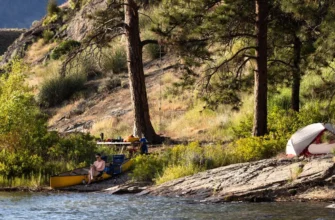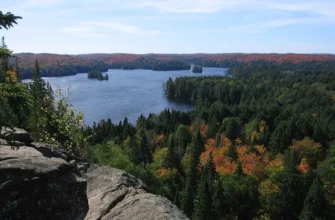
Your Gateway to BC’s Wild Wonders
Welcome to British Columbia’s Camping Paradise
British Columbia is a landscape of superlatives. From the rugged, salt-sprayed coast of Vancouver Island to the sun-drenched valleys of the Okanagan and the untamed wilderness of the north, this provincial park system offers a camping experience for every type of adventurer. This is a place where towering temperate rainforests meet glacial-fed lakes, and sprawling mountain ranges give way to serene, star-filled skies. Camping here isn’t just an activity; it’s an immersion into one of the world’s most spectacular natural playgrounds. The economic importance of this sector is immense, with outdoor recreation contributing CA$4.8 billion to the province’s GDP in 2023, representing 1.5% of BC’s total economic output.
What Makes BC Camping Unforgettable? Diversity and Adventure
What sets British Columbia apart is its unparalleled diversity. Within a few hours’ drive, you can transition from a coastal campsite lulled by ocean waves to a subalpine meadow bursting with wildflowers. This variety caters to every style of camping, from family-friendly campgrounds with flush toilets and playgrounds to rugged backcountry sites accessible only by challenging hiking trails. Whether your idea of adventure is a multi-day trek, a peaceful paddle on a turquoise lake, or simply roasting marshmallows over a crackling fire, BC delivers an unforgettable backdrop. Access to outdoor recreation influences the residential choices and quality of life of residents throughout the province.
How This Guide Will Help You Find Your Perfect Campsite
Navigating the vast number of campsites across British Columbia can be daunting. This guide is designed to be your compass. We’ve curated a list of 25 unforgettable spots, organized by region and theme, to help you discover your perfect match. Beyond the list, we’ll provide essential planning advice, from mastering the reservation system to understanding the differences between national parks, provincial parks, and recreation sites. Prepare to find your next great adventure, from a weekend escape near Vancouver to a multi-week exploration of the province’s wildest corners.
Mastering the Art of BC Camping: Your Essential Planning Guide
Navigating the BC Parks Reservation System
For many of the most sought-after BC Parks provincial parks, securing a campsite requires planning and strategy. The BC Parks reservation system is the primary platform for booking these coveted spots. Reservations typically open on a rolling four-month window, allowing you to book up to four months in advance from your desired arrival date. Popular long weekends and prime summer dates for campgrounds on Vancouver Island or near Vancouver can be fully booked within minutes of becoming available.
Pro Tips for Success:
Know Your Dates: Be online and logged into your BC Parks account before the 7:00 AM PT booking window opens. New reservations become available daily at 7 AM Pacific Time.
Understand the System: Reservations are available up to four months before your arrival date. For example, if you want to arrive on July 25, you can begin reserving on March 25 at 7 AM PT.
Be Flexible: Consider mid-week trips or visiting in the shoulder seasons (May-June, September-October) for better availability. The busiest periods are July and August, especially on weekends and during long weekends like BC Day and Labour Day.
Look for Cancellations: Various services and apps can notify you when a reserved campsite at a full campground becomes available through cancellations.
Know the Limits: The 14-night limit applies to many parks. Most parks accept reservations only until 8 PM two days before your arrival date (except parks with internet connectivity, which accept reservations closer to your arrival).
Exploring Beyond Provincial Parks: Diverse Camping Experiences
While provincial parks are fantastic, they represent just one piece of the puzzle. Understanding the different options opens up a world of possibilities across British Columbia.
National and Provincial Parks: These are the most well-known and often best-equipped campgrounds. National parks in British Columbia include Pacific Rim National Park Reserve, Yoho National Park, Kootenay National Park, Glacier National Park, Mount Revelstoke National Park, Gulf Islands National Park Reserve, and Gwaii Haanas National Park Reserve. BC Parks (provincial parks) range from large, amenity-rich sites with flush toilets and showers to more rustic vehicle-accessible sites with pit toilets and water pumps. All sites feature picnic tables and fire pits (subject to campfire bans and park closures). Reservations are highly recommended for popular locations.
Recreation Sites: Managed by the provincial government, these are typically more rustic and often first-come, first-served (though some are now reservable). Located on Crown land, they offer basic amenities—usually just pit toilets, picnic tables, and a fire ring. They are often more remote and provide a quieter, more rugged adventure. Recreation sites like Cat Lake Recreation Site offer a true backcountry experience away from heavily developed campgrounds.
Private Campgrounds: Beyond public parks and recreation sites, private campgrounds throughout British Columbia offer various amenities and booking flexibility, though they typically don’t have the same pristine wilderness character as public facilities.
Essential Knowledge: Safety, Responsibility, and Respecting Nature
Camping in BC means sharing the landscape with wildlife, including black bears, grizzly bears, cougars, and wolves. Adhering to “bare campsite” principles (also called the BARE program) is mandatory in most parks. This means all food, coolers, toiletries, and anything with a scent must be stored in a vehicle or a provided food cache when not in use.
Always carry bear spray when on hiking trails and know how to use it. Bear spray is legal in Canada when used for wildlife encounters and comes in canisters of 225-500 ml with 0.75%-1% capsaicin. Keep it in an easily accessible holster on your hip—not in your backpack. At least one person in your group should carry it, though it’s best if everyone has their own.
Equally important is practicing Leave No Trace Principles. Pack out everything you pack in, respect wildlife from a distance, and minimize the impact of campfires. Your goal is to leave your campsite in better condition than you found it, ensuring these wild places remain pristine for generations to come.
The Unforgettable 25: British Columbia’s Top Camping Spots & Campsites (A Thematic Journey)
Sea-to-Sky Corridor & Vancouver Coastline: Majestic Mountains & Ocean Views
Porteau Cove Provincial Park – A stunning waterfront campground on Howe Sound featuring 44 vehicle-accessible sites and 16 walk-in sites. Famous for its stargazing, scuba diving opportunities, and stunning views of the ocean and mountains. The park offers excellent water activities and is one of the most sought-after parks in the region. Best for ocean lovers and those seeking a quick escape from Vancouver. Amenities include flush toilets, showers, a bike park, and a playground. Reservations are essential, as sites book very quickly.
Alice Lake Provincial Park – A family favourite near Squamish, surrounded by four freshwater lakes perfect for swimming and paddling. Extensive hiking trails connect the lakes, offering varied difficulty levels. Best for families and active groups. Offers a full suite of amenities including flush toilets, showers, and playgrounds. This is an excellent family-friendly campground with excellent facilities.
Cultus Lake Provincial Park – A large, popular campground near Chilliwack in the Fraser Valley, offering a classic summer lake experience with sandy beaches and warm water. Multiple campgrounds within the park offer varied amenities and water activities. Best for water sports enthusiasts and large family gatherings. Features both pit toilets and flush toilets depending on the campground area.
Golden Ears Provincial Park – One of the largest parks in the province, offering vast wilderness just a short drive from Vancouver on the Sea to Sky corridor. Features Alouette Lake for boating and extensive backcountry hiking trails. Best for adventurers and lake lovers. The park offers multiple campground options from frontcountry to backcountry camping spots.
Vancouver Island & Gulf Islands: Island Escapes & Coastal Charms
Green Point Campground (Pacific Rim National Park Reserve) – Nestled in the rainforest between Tofino and Ucluelet, with direct access to iconic Long Beach. The campground features 94 vehicle drive-in sites, 20 walk-in sites, one group site, and one oTENTik accommodation. The sound of crashing surf is your constant companion. Best for surfers and coastal explorers. Requires booking through the Parks Canada reservation system. This is a marine-accessible camping destination with flush toilets, showers, and electrical hookups.
Rathtrevor Beach Provincial Park – Home to a massive, two-kilometre sandy beach with warm, shallow water at low tide, making it perfect for kids. Located near Parksville, this park becomes a beach wonderland at low tide when the ocean recedes nearly a kilometre, revealing vast stretches of sand perfect for exploration. Best for families with young children. Features over 250 vehicle-accessible and 25 walk-in campsites among tall Douglas fir trees. The Nature House at the park hosts educational programs and interpretive activities.
Goldstream Provincial Park – Just minutes from Victoria, this park is famous for its annual salmon run from mid-October through early December, when thousands of chum, coho, and chinook salmon return to spawn. The park features majestic old-growth trees and is a lush, year-round camping destination. Best for nature enthusiasts and those exploring the capital region. The salmon run viewing season (late October through November) attracts visitors from around the world.
Miracle Beach Provincial Park – A classic Vancouver Island family campground with a beautiful cobble beach, tide pools, and a nature house offering interpretive programs. Best for beachcombing families and those interested in marine life and coastal ecology.
Strathcona Provincial Park (Buttle Lake Campground) – Offers a more rugged experience in BC’s oldest provincial park. Set against a backdrop of towering peaks, it’s a gateway to serious alpine adventure. The Buttle Lake campground features 85 campsites, and five marine backcountry camping areas are accessible by boat. Best for hikers and mountain admirers. Facilities are more basic, often with pit toilets. Access is via Highway 28, about 48km west of Campbell River.
Ruckle Provincial Park (Salt Spring Island) – Walk-in campsites spread across stunning waterfront meadows on Salt Spring Island. A serene Gulf Islands experience with pastoral charm and beautiful ocean vistas. Best for quiet seekers and island hoppers seeking a peaceful retreat away from the crowds.
Okanagan Valley & Kootenays: Lakeside Bliss & Mountain Serenity
Bear Creek Provincial Park – Located on the shores of Okanagan Lake near Kelowna, this popular spot offers excellent swimming, boating, and hiking trails with canyon views. Best for sun-seekers and families. The warm waters of Okanagan Valley lakes make these parks ideal summer activity destinations.
Kekuli Bay Provincial Park – Terraced campsites offer spectacular views over Kalamalka Lake, renowned for its vibrant, turquoise-coloured water. Best for boaters and view-seekers interested in scenic water vistas and water activities.
Moyie Lake Provincial Park – A beautiful lakeside campground in the Kootenays with a long, sandy beach and historical significance. Quieter than its Okanagan Valley counterparts. Best for a relaxed lake vacation away from busy summer crowds.
Kokanee Creek Provincial Park – On the west arm of Kootenay Lake, this park has expansive beaches and a famous salmon spawning channel. Best for wildlife viewing and beach days. The park provides an excellent opportunity to observe interpretive programs focused on salmon ecology.
Martha Creek Provincial Park – Situated on the scenic Revelstoke Reservoir, this park is a hub for water activities and a great base for exploring the surrounding Selkirk and Monashee Mountains. Best for boaters and mountain adventurers interested in multi-day explorations.
Blanket Creek Provincial Park – South of Revelstoke, it features a stunning waterfall, a warm man-made swimming lagoon, and access to the Columbia River. Best for a mix of relaxation and exploration, offering both leisure and adventure recreation activities.
The Interior & Northern BC: Wild Frontiers & Starlit Nights
Wells Gray Provincial Park (Clearwater Lake Campground) – A gateway to the park’s famous waterfalls and vast backcountry. Serves as a launching point for canoe trips on Clearwater Lake and Azure Lakes. Best for waterfall chasers and paddlers. The park features Helmcken Falls, Canada’s fourth-highest waterfall at 141 meters (460 feet), visible from Highway 1. This is a world-class destination for camping adventures and wilderness exploration.
Mount Robson Provincial Park (Robson Meadows Campground) – Camp at the base of the highest peak in the Canadian Rockies. Mount Robson stands at 3,954 meters (12,972 feet) and is the most prominent peak in North America’s Rocky Mountain range. The trailhead for the world-famous Berg Lake Trail is nearby, offering an 19km hike to stunning alpine lakes. Best for awe-inspired hikers and photographers seeking challenging hiking trails.
Liard River Hot Springs Provincial Park – A bucket-list stop on the Alaska Highway in northern British Columbia. Camp in a lush boreal forest and soak in natural hot springs with water temperatures ranging from 42-52°C (108-126°F). Located at kilometre 765 of the Alaska Highway, approximately 317km northwest of Fort Nelson, the park features a 700-metre wooden boardwalk leading to the hot springs pools. Best for road-trippers and relaxation seekers exploring the Stewart-Cassier Highway region.
Nisga’a Memorial Lava Bed Provincial Park – A truly unique camping experience amidst a stark volcanic landscape. Learn about Nisga’a culture and history while exploring lava casts and cones. The park features Canada’s youngest volcanic landscape, with eruptions occurring around 1700. Best for geology buffs and cultural explorers interested in First Nations heritage and unique geological formations.
Boyalgeorge Provincial Park (formerly Judge Begbie) – A small, intimate campground nestled in a spectacular mountain setting near Revelstoke. Offers a sense of seclusion and access to challenging hiking trails with stunning alpine meadows. Best for mountaineers and those seeking solitude and remote camping adventures.
Unique & Niche Camping Experiences
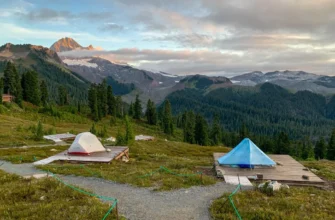
Joffre Lakes Provincial Park (Backcountry) – Not a drive-in campground, but an unforgettable backcountry experience featuring three glacier-fed turquoise alpine lakes. A challenging hike leads to tent pads beside stunning turquoise alpine lakes. The rock flour suspended in the water creates the distinctive turquoise color. A 12km round trip to upper campsites with approximately 950 meters of elevation gain. Best for experienced hikers seeking iconic views and remote camping spots. Requires a backcountry permit and proper preparation for alpine conditions.
Desolation Sound Marine Provincial Park (Boat-Access) – A world-renowned kayaking and boating destination. Numerous rustic campsites are accessible only by water, offering warm ocean swimming and pristine marine-accessible camping. Best for paddlers and boaters seeking solitude and pristine coastal beauty. Features multiple islands and secluded anchorages perfect for multi-day water activities.
Sayward Forest Canoe Route (Recreation Sites) – A chain of lakes connected by portages, dotted with rustic Recreation Sites. A fantastic multi-day paddling adventure for canoe enthusiasts. Best for canoe trippers looking for solitude and traditional wilderness camping. Offers a completely off-grid experience with basic facilities.
Sproat Lake Provincial Park (Petroglyphs) – Famous for its lakeside setting and a panel of ancient First Nations petroglyphs known as K’ak’awin, visible from the shore. Best for history enthusiasts, swimmers, and those interested in Indigenous heritage. The park combines natural beauty with significant cultural features, making it educational and scenic.
What to Pack: Your Ultimate BC Camping Checklist
Essential Gear for a Comfortable Stay (Tents, Sleeping Bags, Cooking Gear)
Your core gear forms the foundation of a successful trip. A waterproof tent with a good rainfly is non-negotiable, as BC weather can change in an instant. Choose a sleeping bag rated for temperatures around 0°C, even in summer, for mountain or northern locations. A comfortable sleeping pad is crucial for warmth, comfort, and insulation from cold ground. For cooking, a reliable camp stove is essential, as fire bans are common during dry seasons and campfire restrictions vary by park and season. Pack a full kitchen kit including pot, pan, utensils, plates, mugs, and a wash basin for cleaning with minimal environmental impact.
Specialized Items for BC’s Environment (Bear Spray, Gravity Water Filter System, Rain Gear)
Beyond the basics, BC’s environment demands specific gear. Bear spray is a must-have for any activity outside the immediate campground and should be carried accessibly in a holster, not buried in your pack. A gravity water filter system like the BeFree filter is highly efficient for providing clean drinking water for a group, saving you from constant manual pumping. High-quality rain gear—both a jacket and pants—is arguably the most important piece of clothing you can pack. Even a sunny forecast can be interrupted by a coastal shower. Layering with non-cotton materials is essential.
Personal Comforts and Health & Safety Items (First Aid Kit, Sun Protection)
A well-stocked first-aid kit is critical for handling everything from blisters to more significant injuries. Sun protection, including a hat, sunglasses, and high-SPF sunscreen, is vital, as sun exposure can be intense at elevation or on the water. Insect repellent is another key item, especially near lakes and in the evening when mosquitoes are most active. Finally, pack layers of non-cotton clothing (wool or synthetics) that you can add or remove to adapt to fluctuating temperatures. Moisture-wicking materials are superior to cotton in BC’s damp environment.
Your Unforgettable BC Camping Adventure Awaits
Recap of British Columbia’s Diverse Camping Opportunities
From the accessible, amenity-rich provincial parks near Vancouver to the remote, star-drenched Recreation Sites of the north, British Columbia offers a lifetime of camping adventures. The province’s incredible topographical diversity ensures that whether you seek coastal rainforests, alpine meadows, or lakeside beaches, there is a perfect campsite waiting for you. The economic importance of this sector is immense, with the outdoor recreation sector directly contributing $4.8 billion to BC’s economy in 2023 and earning $17 billion in total revenue. This highlights just how integral these wild spaces are to the fabric of British Columbia’s economy and culture.
Embrace the Call of the Wild: Start Planning Your Journey
The key to unlocking these experiences is planning. Use this guide as your starting point. Research your chosen campground, understand the booking system, and prepare for the specific environment you’ll be entering. Be familiar with booking criteria, watch for email alerts and utilize the Notify Me button on the BC Parks website for availability notifications. Pack smart, respect wildlife, and always practice Leave No Trace Principles. Camping 101 fundamentals—including proper health and safety precautions and park specific details—should guide your preparation. The adventure is not just in the destination but in the journey of preparation and discovery.
Share Your Stories: Connect with Fellow Campers
Your adventure doesn’t end when you pack up the tent. Share your photos, stories, and tips with the vibrant community of BC campers on social media and camping forums. Use platforms like Instagram and other channels to inspire others, exchange information about trail conditions and park advisories, and celebrate the shared love for these incredible public lands. Your experience can become the spark for someone else’s unforgettable journey into the wild wonders of British Columbia, creating family traditions and fostering a culture of outdoor stewardship that benefits everyone.
References
Government of British Columbia. (2023). Outdoor Recreation Economic Impact Study. Direct added value to BC’s Real GDP: $4.8 billion (2017 dollars), representing 1.5% of BC’s total GDP.