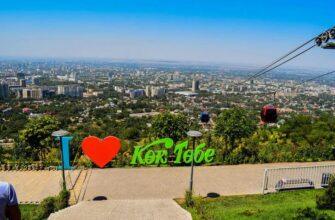
Ile-Alatau National Park occupies 202,292 hectares across the northern slopes of the Trans-Ili Alatau (Zailiysky Alatau) range, the northernmost spur of the Tian Shan mountain system. Established February 22, 1996, the national park stretches 120 kilometers east-west from the Chemoigan River to the Turgen River, with 30-35 kilometer north-south width, placing protected alpine wilderness within 15-40 kilometers of Almaty city center. Elevation ranges from 600 meters in foothill zones to 5,017 meters at the glaciated summit of Talgar Peak, creating extreme vertical zonation that compresses multiple ecosystems—steppe grasslands, temperate forests, alpine meadows, permanent snowfields—into short horizontal distances.
This guide provides comprehensive visitor information for hiking, wildlife observation, and mountain recreation across Ile-Alatau’s five primary access zones, drawing on current 2026 regulations and field logistics.
Where Ile-Alatau National Park Is Located
Geographic Position
Ile-Alatau National Park forms the protected core of the Trans-Ili Alatau (Zailiysky Alatau), meaning “Variegated Mountains Beyond the Ili River” in Kazakh. This range constitutes the northernmost extension of the Northern Tian Shan mountain system, which spans Kyrgyzstan, southeastern Kazakhstan, and western China.
The park occupies territory within three districts of Almaty Province: Karasai, Talgar, and Enbekshikazakh. Its northern boundary sits just 15 kilometers south of central Almaty at elevations around 1,000-1,200 meters; the southern boundary follows the main ridge crest at 4,000-5,000 meters elevation along the Kazakhstan-Kyrgyzstan border.
Orographic Context
The Trans-Ili Alatau rises abruptly from the Ili River valley (elevation 500-600m) to alpine summits within 30-40 kilometers horizontal distance, creating one of Central Asia’s steepest sustained elevation gradients. This compressed vertical relief drives intense orographic precipitation on north-facing slopes—the park receives 600-1,200mm annual precipitation depending on elevation, significantly higher than the 300-400mm falling on the desert steppe immediately north.
Major peaks within or adjacent to park boundaries include:
- Talgar Peak: 5,017m (highest point in Trans-Ili Alatau)
- Molodezhniy Peak: 4,147m
- Titov Peak: 4,130m
- Aktau Peak: 4,686m
Proximity to Almaty
The park’s northern edge lies closer to a major city (Almaty, population 2+ million) than any comparable alpine protected area in Central Asia. This proximity enables same-day wilderness access from urban accommodation—travelers can breakfast in downtown Almaty at 700m elevation and reach 2,500m alpine environments within 90 minutes.
Key access distances from Almaty city center:
- Big Almaty Lake access (2,511m): 28 kilometers
- Medeu ice rink (1,690m): 15 kilometers
- Shymbulak ski resort (2,260m): 25 kilometers
- Turgen Gorge entrance: 60 kilometers
- Issyk Gorge entrance: 70 kilometers
Why Visit Ile-Alatau National Park
Alpine-Forest Ecosystem Integration
Ile-Alatau National Park distinguishes itself through compressed ecological zonation—six distinct vegetation zones occupy 1,000-5,000 meter elevation range. This vertical stratification creates unusual biodiversity concentration: over 1,000 vascular plant species, 178 bird species, and 245 vertebrate species inhabit a relatively compact protected area.
The park’s Tien Shan spruce forests (Picea schrenkiana) represent Central Asia’s most extensive intact montane coniferous ecosystem, covering elevations from 1,800-2,800 meters. These forests transition abruptly into alpine meadows studded with endemic flora including Rhodiola rosea, Tien Shan rowan (Sorbus tianschanica), and Eremurus robustus.
Glacial Features and Alpine Lakes
Ile-Alatau supports 265 glaciers with combined area exceeding 150 square kilometers. These permanent ice masses feed numerous rivers sustaining Almaty’s water supply, including the Malaya Almatinka River system that supplies Big Almaty Lake reservoir.
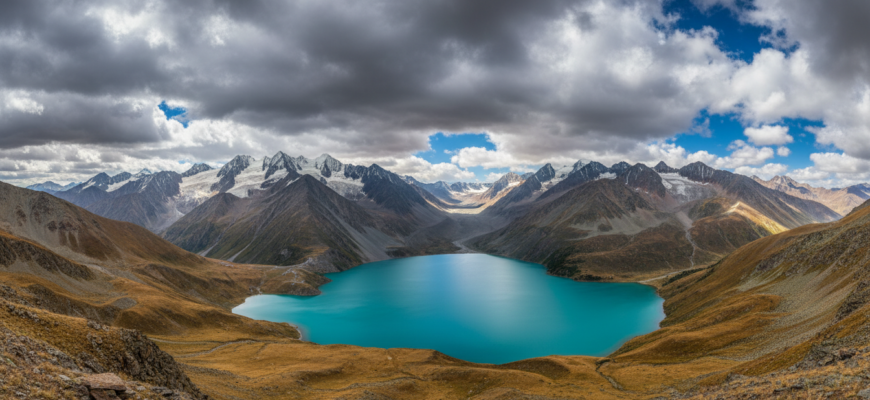
The park contains over 400 mountain lakes, most occupying cirques and glacially-carved basins between 2,000-3,500 meters elevation. Big Almaty Lake at 2,511 meters represents the most accessible high-altitude lake, displaying distinctive turquoise coloration from glacial flour (rock sediment ground by glacier movement).
Endangered Species Habitat
Ile-Alatau provides critical refuge for Central Asian mountain fauna threatened throughout their historic range. The national park hosts seven Red Book mammal species: Tian Shan brown bear (Ursus arctos isabellinus), snow leopard (Panthera uncia), stone marten (Martes foina), Central Asian river otter (Lutra lutra), Pallas’s cat (Otocolobus manul), Turkestan lynx (Lynx lynx isabellinus), and Indian porcupine (Hystrix indica).
Avian diversity includes 11 Red Book species: black stork (Ciconia nigra), booted eagle (Hieraaetus pennatus), golden eagle (Aquila chrysaetos), lammergeier (Gypaetus barbatus), peregrine falcon (Falco peregrinus), saker falcon (Falco cherrug), and eagle owl (Bubo bubo) among others.
Recreational Diversity
The park supports year-round mountain recreation spanning difficulty levels from paved walking paths to technical alpinism. Summer activities include day hiking (easy to advanced), multi-day trekking, peak climbing, wildlife observation, and botanical study. Winter transforms Medeu-Shymbulak zone into Central Asia’s premier ski destination, operational November-April.
Main Areas of Ile-Alatau National Park
Big Almaty Lake Basin
This western park sector centers on Big Almaty Lake (2,511m), a turquoise alpine reservoir surrounded by peaks Sovetov (4,317m), Ozyorny (4,110m), and Turist (3,954m). The basin occupies the Malaya Almatinka River headwaters, 28 kilometers south of Almaty via paved mountain road.
Characteristics: Glaciated high-alpine environment with sparse vegetation above treeline (2,600m); Tien Shan spruce forest dominates 1,800-2,500m zone. Lake functions as Almaty’s primary water source, resulting in restricted vehicle access—private cars prohibited beyond 2,200m checkpoint.
Recreation: Day hiking from multiple trailheads; technical climbing routes on surrounding peaks; photography (optimal September-October for autumn larch color against turquoise water).
Access difficulty: Moderate—paved road with steep sections; final 2-3 kilometers hiking-only.
Medeu-Shymbulak Zone
Located 15-25 kilometers south of Almaty, this central park sector encompasses the most developed recreation infrastructure. Medeu ice skating complex sits at 1,690m elevation; Shymbulak ski resort occupies 2,260-3,200m elevation range with gondola and ski lift access.
Characteristics: Transitional zone from spruce forest (1,700-2,400m) through alpine meadow (2,400-2,800m) to rocky alpine (2,800m+). Multiple glaciated peaks exceed 3,500m, including Shymbulak Peak (3,450m) and Furmanov Peak (3,050m).
Recreation: Winter skiing and snowboarding; summer hiking with lift-assisted altitude gain; ridge trails offering Tian Shan panoramas. Popular routes include Four Peaks Trail (11km, 7 hours, 1,690-3,450m elevation) and various Shymbulak ridge loops.
Access difficulty: Easy—paved road, gondola lift, multiple cable cars reduce hiking requirements.
Crowding: Highest visitor density in entire park; weekends see significant congestion particularly June-August and winter ski season.
Turgen Gorge
Eastern park sector accessed 60 kilometers from Almaty via paved highway, encompassing Turgen River drainage from 1,200m foothills to 4,000m+ peaks. The gorge extends approximately 40 kilometers south into the range.
Characteristics: Well-developed spruce forest zone (1,500-2,600m); multiple waterfalls including Medvezhiy (Bear) Waterfall at 1,800m elevation with 30-meter cascade. River-carved valley provides gentler terrain than Big Almaty or Medeu sectors.
Recreation: Day hiking to waterfalls and viewpoints; multi-day trekking to high alpine zones; hot springs at Aksai (10km up-gorge from entrance). Less technical terrain suitable for families and moderate-fitness visitors.
Access difficulty: Easy—paved access to gorge entrance; short walks (30-60 minutes) reach primary waterfalls.
Crowding: Moderate—popular weekend destination but larger area disperses visitors more than Medeu-Shymbulak.
Issyk Area
Southeastern park sector 70 kilometers from Almaty, featuring Issyk Gorge and Issyk Lake (1,756m). The area gained tragic historical significance from the 1963 mudslide that destroyed original Issyk Lake, creating current smaller lake.
Characteristics: Mixed forest-steppe ecotone at lower elevations (1,400-1,800m) transitioning to spruce forest above. Gentler relief than western park sectors; broader valley floors.
Recreation: Lake shore walking; moderate hiking to surrounding ridges; combined day trips pairing Issyk with Turgen Gorge (40km separation). Photography opportunities particularly May-June when wildflowers bloom.
Access difficulty: Easy—paved road to lake; minimal hiking required for primary viewpoints.
Talgar Region
Far eastern park sector encompassing Talgar River drainage and approaches to Talgar Peak (5,017m), the Trans-Ili Alatau’s highest summit. This represents the park’s most remote and least developed zone.
Characteristics: Extensive glaciation with six major glaciers feeding Talgar River; alpine and nival (permanent snow) zones dominate above 3,000m. Limited trail infrastructure; primarily accessed by mountaineering expeditions rather than day hikers.
Recreation: Technical mountaineering (Talgar Peak requires glacier travel and alpine climbing skills); extended wilderness trekking; wildlife observation in remote valleys.
Access difficulty: Difficult—long approach hikes (15-20km minimum) from nearest road access; multi-day commitment required.
Crowding: Minimal—remoteness limits visitation to experienced mountain travelers.
Best Things to See in Ile-Alatau National Park
Big Almaty Lake
The park’s signature attraction—a turquoise alpine reservoir at 2,511m elevation displaying color variation from pale aqua to deep blue depending on glacial sediment concentration, season, and light angle. The lake occupies a glacially-carved cirque with 40-meter maximum depth and 1.6 square kilometer surface area.
Optimal viewing: September-October when autumn larch forests turn golden, creating color contrast against turquoise water and snow-capped peaks. Morning light (8-10 AM) provides best photography conditions before afternoon wind disturbs water surface.
Wildlife: Alpine habitat supports ibex, marmot, and raptors including golden eagles; Tian Shan brown bear occasionally observed in surrounding valleys.
Waterfalls
Multiple waterfall systems occupy the park’s river gorges, with seasonal flow variation driven by snowmelt and glacier discharge.
Turgen Gorge waterfalls:
- Medvezhiy (Bear) Waterfall: 30-meter cascade at 1,800m elevation, 30-minute walk from Turgen parking area
- Kairak Waterfall: 20-meter drop accessed via 2-hour trail from main gorge road
- Bozgul Waterfall: Remote upper-gorge location requiring 4-5 hour approach
Peak flow: May-July during snowmelt; late summer (August-September) sees reduced but still substantial volume from glacial melt.
Glaciers
Ile-Alatau supports 265 glaciers totaling over 150 square kilometers, concentrated above 3,500m elevation on north-facing slopes and cirques. Major systems include:
Tuyuksu Glacier: Most accessible and scientifically studied glacier in Kazakhstan; observation station at 3,400m has maintained continuous measurements since 1957. Access via demanding trail from Medeu (7-8 hours round-trip, +1,700m elevation gain).
Bogdanovich Glacier: Feeds Malaya Almatinka River system; visible from Big Almaty Lake area.
Talgar Glacier: Largest in Trans-Ili Alatau at approximately 8 kilometers length; requires multi-day expedition to reach.
Climate change impact: Monitoring data documents glacier retreat averaging 8-12 meters annually since 2000; total mass loss approximately 20% over past 50 years.
Peaks and Summits
Viewing peaks (non-technical, accessible to day hikers):
- Furmanov Peak (3,050m): Accessed via Four Peaks Trail from Medeu; 7-hour round-trip
- Shymbulak Peak (3,450m): Highest point on Four Peaks Trail; requires good fitness and altitude tolerance
- Komsomol Peak (3,326m): Alternative summit accessed from Shymbulak upper lifts
Technical climbing peaks (require mountaineering skills):
- Talgar Peak (5,017m): Highest in range; glacier travel and rock climbing to Grade 3A
- Titov Peak (4,130m): North ridge route popular with experienced alpinists
- Molodezhniy Peak (4,147m): Technical mixed climbing; ice axe and crampons essential
Alpine Meadows
Between 2,400-3,200m elevation, alpine meadows display maximum botanical diversity June-July when endemic wildflowers bloom. Key species include Rhodiola rosea (used in traditional medicine), Eremurus robustus (desert candle lily), ziziphora, oregano, and numerous endemic composites.
Best locations: Shymbulak upper slopes (accessed via cable car); ridges above Turgen Gorge; valleys surrounding Big Almaty Lake.
Wildlife viewing: Marmots abundant and approachable in meadow zones; ibex frequent rocky areas adjacent to meadows; occasional brown bear sightings in remote valleys.
Hiking in Ile-Alatau National Park
Easy Trails (Suitable for All Fitness Levels)
Big Almaty Lake Viewpoint
- Distance: 2-3 kilometers round-trip from barrier checkpoint
- Elevation: 2,300m (trailhead) to 2,511m (lake shore)
- Elevation gain: 200-250 meters
- Duration: 1.5-2 hours round-trip
- Terrain: Wide gravel path with moderate gradient
- Season: June-October (road closed winter)
- Highlights: Turquoise alpine lake, surrounding 4,000m peaks, alpine environment
Medeu Ice Stadium Circuit
- Distance: 6.9 kilometers loop
- Elevation: 1,690m constant (minimal elevation change)
- Elevation gain: 290 meters total
- Duration: 2-2.5 hours
- Terrain: Paved and gravel paths, easily accessible
- Season: May-October optimal; winter possible with ice traction
- Highlights: Mountain views, Medeu dam, access to Shymbulak gondola
Turgen Gorge to Bear Waterfall
- Distance: 1 kilometer round-trip from parking
- Elevation: 1,800m (minimal gain)
- Elevation gain: 50 meters
- Duration: 30-45 minutes round-trip
- Terrain: Maintained trail with steps
- Season: May-October
- Highlights: 30-meter waterfall, spruce forest, river gorge
Moderate Trails (Good Fitness Required)
Four Peaks Trail
- Distance: 11 kilometers point-to-point
- Elevation: 1,690m (Medeu) to 3,450m (Shymbulak Peak)
- Elevation gain: 1,760 meters
- Duration: 7 hours
- Terrain: Mountain trails with sustained steep sections; rocky passages near summits
- Season: July-September (snow-free)
- Highlights: Four named peaks including Furmanov (3,050m) and Shymbulak (3,450m); panoramic Tian Shan views; alpine meadows
- Notes: Altitude effects significant above 3,000m; acclimatization recommended
Shymbulak Ridge Loop (with cable car assist)
- Distance: 6-10 kilometers depending on route
- Elevation: 2,260m (Shymbulak base) to 3,200m (upper lift terminal)
- Elevation gain: 400-700 meters (cable cars reduce total gain)
- Duration: 3-5 hours
- Terrain: Ridge trails with exposure; sure footing required
- Season: June-September
- Highlights: Tian Shan panoramas, glacial views, alpine meadows
Turgen Gorge Upper Waterfalls
- Distance: 8-12 kilometers round-trip from gorge entrance
- Elevation: 1,400m to 2,200m
- Elevation gain: 800 meters
- Duration: 5-6 hours round-trip
- Terrain: Forest trails with stream crossings
- Season: June-September
- Highlights: Multiple waterfalls, spruce forest, potential wildlife sightings
Advanced Trails (Excellent Fitness and Mountain Experience Required)
Tuyuksu Glacier Trek
- Distance: 14 kilometers round-trip from Medeu
- Elevation: 1,690m to 3,400m (glacier observation station)
- Elevation gain: 1,710 meters
- Duration: 8-10 hours round-trip
- Terrain: Steep moraine trails, boulder fields, potential snow/ice near glacier
- Season: July-August (limited access outside this window)
- Highlights: Active glacier observation, glacial geology, high-alpine environment
- Requirements: Altitude acclimatization essential; navigation skills recommended
Big Talgarsky Pass Circuit
- Distance: 12 kilometers loop from Shymbulak upper lift
- Elevation: 3,163m (pass) with ascents to 3,600m+
- Elevation gain: 600-800 meters beyond lift terminal
- Duration: 6-8 hours
- Terrain: High alpine; rocky, exposed ridges; potential snow patches
- Season: July-early September
- Highlights: Views into Kyrgyzstan, glaciated peaks, alpine wilderness
- Requirements: High-altitude tolerance, sure footing, weather awareness
Talgar Peak Approach
- Distance: 25+ kilometers from nearest road access
- Elevation: ~2,000m (trailhead) to 3,500m+ (base camps)
- Elevation gain: 1,500+ meters to base camps; additional 1,500m to summit
- Duration: Multi-day expedition (minimum 3-4 days)
- Terrain: Wilderness trails, glacier travel, technical rock and ice climbing
- Season: July-August
- Highlights: Trans-Ili Alatau’s highest peak (5,017m), extensive glaciation, remote wilderness
- Requirements: Technical mountaineering skills, glacier equipment, guide recommended
How to Visit Ile-Alatau National Park from Almaty
Transport Options
Taxi (ride-hailing apps):
- Yandex.Taxi, InDriver: Most convenient for Big Almaty Lake, Medeu-Shymbulak, Turgen, Issyk
- Cost estimates: Big Almaty Lake barrier 2,500-3,500 KZT; Medeu 1,500-2,000 KZT; Turgen Gorge 4,000-5,000 KZT one-way
- Advantages: Direct access, flexible timing, door-to-door service
- Disadvantages: Return transport requires pre-arrangement or cell service at location
Public bus:
- Bus 28: Almaty to Big Almaty Lake area; operates summer season (May-October)
- Bus 12: Almaty to Medeu; frequent service year-round
- Cost: 80-150 KZT per trip
- Advantages: Most economical option
- Disadvantages: Limited schedules, crowding on weekends, no service to remote trailheads
Private car/rental:
- Requirements: International driving permit plus home license
- Roads: Paved access to Big Almaty Lake barrier, Medeu, Shymbulak, Turgen entrance, Issyk
- Advantages: Maximum flexibility, suitable for groups 3-4 people (cost-effective)
- Disadvantages: Almaty traffic congestion on weekend mornings departing city; parking limited at popular sites
Organized tours:
- Coverage: All major park destinations; day trips 50-100 USD per person; multi-day 150-250 USD
- Advantages: Logistics handled, local knowledge, permitted access (Big Almaty Lake shore), group discounts
- Disadvantages: Fixed schedules, group pace, higher cost for solo travelers
Park Entrances and Checkpoints
Big Almaty Lake access:
- Checkpoint: Located at approximately 2,200-2,300m elevation on Big Almaty Lake road
- Function: Vehicle barrier (water source protection); fee collection; private cars prohibited beyond this point
- Alternative: Park at checkpoint, hike remaining 2-3 kilometers to lake; or join tour with permitted vehicle access
Medeu-Shymbulak entrance:
- Access: Paved road from Almaty; no entrance barrier at base
- Fee collection: Paid at cable car/gondola stations if using lifts; hiking access free beyond lift areas
- Parking: Paid lots at Medeu (hourly rates); Shymbulak paid parking
Turgen Gorge entrance:
- Checkpoint: Park entrance station at gorge mouth, approximately 60km from Almaty
- Access: Paved road continues into gorge; internal road varies from paved to gravel
Issyk area entrance:
Entry Fees (2026 Rates)
Ile-Alatau National Park implemented updated fee structure effective January 2026:
Pedestrian entry: 0.2 MCI = 865 KZT per person per day
Vehicle entry:
- Passenger car: 0.6 MCI = 2,595 KZT
- Minibus (up to 16 seats) or freight vehicle: 2 MCI = 8,650 KZT
- Bus (17-32 seats): 3 MCI = 12,975 KZT
- Bus (33+ seats): 5 MCI = 21,625 KZT
Parking: 0.06 MCI = 260 KZT per day where applicable
Payment: Cash at checkpoints; some locations accept card.
Enforcement: Non-payment constitutes administrative violation under Article 381 of Kazakhstan Code; penalties start at 5 MCI (21,625 KZT).
Exemptions: Some organized tours include park fees in package pricing.
Best Time to Visit Ile-Alatau National Park
Spring (April-May)
Conditions:
- Lower elevations (1,000-1,800m): Snow melted; temperatures 8-18°C; wildflowers beginning to bloom
- Mid-elevations (1,800-2,600m): Snow retreating but lingering in shaded areas; waterfalls at maximum flow from snowmelt
- High elevations (2,600m+): Significant snow cover; trails often impassable until mid-May
Best activities: Waterfall viewing (peak flow); lower-elevation forest walks; early wildflower observation.
Limitations: High-altitude trails (Big Almaty Lake, Shymbulak ridges) may remain snow-covered or dangerous until June; unpredictable weather with frequent rain/snow.
Summer (June-August)
Conditions:
- All elevations: Maximum access; snow cleared from trails below 3,200m by July
- Temperatures: 15-25°C at 2,000-2,500m; 8-18°C at 3,000m+; city heat (30-35°C) drives weekend visitor surges
- Weather: Most stable conditions of year; occasional afternoon thunderstorms at high elevation
Best activities: All hiking including high-altitude routes; multi-day trekking; mountaineering (Talgar Peak season); alpine wildflower viewing (peak June-July).
Peak crowding: Maximum visitor numbers particularly weekends and July-August holiday period; Medeu-Shymbulak sees intense congestion.
Wildlife: Most active; marmots, ibex, birds easily observed; bear sightings possible in remote valleys.
Autumn (September-October)
Conditions:
- September: Continued good trail access; temperatures cooling (10-20°C at 2,000m); autumn color emerging in larch forests
- October: High-altitude trails (3,000m+) may see early snow by mid-month; daytime temperatures 5-15°C; Big Almaty Lake displays peak photographic conditions
Best activities: Photography (autumn larch golden color against evergreen spruce and turquoise lakes); moderate-elevation hiking with reduced crowds; comfortable temperatures for sustained exertion.
Wildlife: Ibex descending to lower elevations; bird migration visible; brown bears entering hyperphagia (pre-hibernation feeding) increasing activity.
Limitations: Shorter daylight hours; weather becoming unpredictable particularly late October; first permanent snow accumulation above 3,500m.
Winter (November-March)
Conditions:
- Almaty air quality: Severe pollution November-March (see main Almaty guide); this affects park access zones below 2,000m
- Snow accumulation: Heavy snowpack 1,500m+; avalanche risk on steep slopes
- Temperatures: -10 to -20°C at 2,000m; significantly colder at higher elevations
- Access: Many park areas inaccessible; Big Almaty Lake road closed; Turgen and Issyk roads closed or unreliable
Exception—Medeu-Shymbulak: Operates as ski resort November-April; maintained road access, gondolas and lifts functional.
Winter activities: Skiing and snowboarding at Shymbulak; ice skating at Medeu (outdoor rink operational when temperatures permit); limited winter mountaineering for experienced alpinists.
Snowline and Seasonal Access
Snowline elevation by month (approximate):
- May: 2,400-2,600m
- June: 2,800-3,000m
- July-August: 3,200-3,400m (minimum extent)
- September: 3,000-3,200m
- October: 2,600-2,800m
- November-April: 1,800-2,200m (maximum extent)
Note: Annual variation significant; above figures represent typical patterns.
Wildlife & Nature
Flora
Ile-Alatau’s vegetation displays pronounced vertical zonation across six distinct belts:
Desert steppe (600-1,200m): Drought-tolerant grasses, artemisia, ephemeral spring wildflowers; juniper (Juniperus seravschanica) on rocky slopes.
Deciduous forest (1,200-1,800m): Wild apple (Malus sieversii), wild apricot (Armeniaca vulgaris), hawthorn (Crataegus), rose (Rosa); understory includes diverse herbs and shrubs. This zone represents genetic origin of domestic apples—Kazakhstan’s wild apple forests preserve unique genetic diversity.
Tien Shan spruce forest (1,800-2,800m): Dominated by Picea schrenkiana, an endemic Central Asian spruce forming dense forests with limited understory due to low light penetration. Shrub layer includes Lonicera, Berberis, Rosa; ground layer features mosses, ferns, and shade-tolerant herbs.
Subalpine shrub (2,600-2,900m): Transitional zone with dwarf juniper (Juniperus pseudosabina), willow species (Salix), alpine meadow herbs, and increased diversity of flowering plants.
Alpine meadow (2,800-3,400m): Maximum plant diversity per unit area; over 300 species including endemics: Rhodiola rosea (golden root), Tien Shan rowan (Sorbus tianschanica), Eremurus robustus (foxtail lily), ziziphora, oregano, gentians, primulas, edelweiss relatives, and numerous composites.
Nival (3,400m+): Sparse pioneer plants in rock crevices; cushion plants; lichens dominating on rock surfaces; vegetation cover <10%.
Rare and protected flora: Over 50 plant species listed in Kazakhstan Red Book occur in the park, including several endemic Tien Shan species found nowhere else on Earth.
Fauna
Mammals (47 species total):
Large predators: Tian Shan brown bear (Ursus arctos isabellinus) population estimated 15-20 individuals; primarily inhabits remote upper valleys. Snow leopard (Panthera uncia) rare but documented via camera traps in high-altitude zones near Kyrgyzstan border. Turkestan lynx (Lynx lynx isabellinus) occupies forest zones.
Medium carnivores: Red fox (Vulpes vulpes), stone marten (Martes foina), Central Asian river otter (Lutra lutra) in permanent streams, Pallas’s cat (Otocolobus manul) in rocky steppe-forest ecotone.
Ungulates: Siberian roe deer (Capreolus pygargus) common in forest zones. Maral or wapiti (Cervus elaphus sibiricus) in remote valleys. Ibex (Capra sibirica) abundant in rocky alpine areas; frequently observed above treeline. Wild boar (Sus scrofa) in lower-elevation forests and meadows.
Small mammals: Tolai hare (Lepus tolai), Turkestan red pika (Ochotona rutila), forest dormouse (Dryomys nitedula), numerous vole and mouse species, Indian porcupine (Hystrix indica—Red Book).
Birds (178 species):
Raptors: Golden eagle (Aquila chrysaetos), lammergeier (Gypaetus barbatus), Himalayan griffon vulture (Gyps himalayensis), booted eagle (Hieraaetus pennatus), saker falcon (Falco cherrug), peregrine falcon (Falco peregrinus)—six raptor species in Red Book.
Forest birds: White-winged grosbeak (Mycerobas carnipes), rufous-backed redstart (Phoenicurus erythronotus), nutcracker (Nucifraga caryocatactes), hoopoe (Upupa epops), Eurasian roller (Coracias garrulus), various warblers and flycatchers.
Alpine species: Alpine accentor, snowfinch, mountain chough.
Waterbirds: Black stork (Ciconia nigra—Red Book), common merganser, white-capped redstart along mountain streams.
Reptiles and Amphibians:
Four amphibian species including Danaes’ toad and Central Asian frog (both Red Book); eight reptile species including Central Asian racerunner, various agamas.
Fish: Eight species in mountain streams including naked osman, scaly osman, marinka; rainbow trout introduced in Turgen River system.
Invertebrates: Over 2,000 documented species including 47 beetle species from 10 families (Coleoptera study 2020-2021); actual diversity likely significantly higher as invertebrate fauna remains incompletely surveyed.
Ecosystems and Biodiversity Significance
Ile-Alatau’s compressed altitudinal zonation creates unusually high biodiversity density. The park’s 202,292 hectares support ecosystem diversity equivalent to areas 10x larger in more gradual topography. This concentration results from:
- Steep elevation gradients: 4,400-meter vertical relief compresses multiple biomes into short horizontal distances
- Aspect diversity: North-facing slopes retain moisture supporting dense forests; south-facing slopes show semi-arid characteristics
- Glacial refugia: During Pleistocene glaciations, isolated ice-free valleys preserved populations that evolved into endemic species
- Geographic position: Northern Tian Shan represents transition between Central Asian deserts and Siberian forests, creating overlap of fauna and flora from both regions
Conservation significance: The park protects Kazakhstan’s most intact montane ecosystem within reach of major human population center, providing critical habitat for species declining elsewhere in their range.
Practical Visitor Tips
Permits and Regulations
Entry permits: Standard park entry fee (865 KZT pedestrian, 2,595 KZT vehicle) grants access to all non-restricted areas. No advance permit required for normal tourism activities.
Border zone restrictions: Southern park boundaries follow Kazakhstan-Kyrgyzstan border; some high trails approach restricted zone. Standard tourist routes (Big Almaty Lake, Medeu-Shymbulak, Turgen, Issyk) remain outside restricted areas—no special permits needed.
Camping regulations: Wild camping permitted in designated zones; campfires restricted to established sites. Obtain current regulations at entry checkpoints.
Wildlife protection: Harassment, feeding, or approaching wildlife prohibited; penalties 21,625+ KZT. Hunting banned throughout park.
Altitude Acclimatization
Physiological effects by elevation:
- 1,800-2,400m: Minimal effects for most visitors; slight breathing increase during exertion
- 2,400-3,000m: Moderate effects—noticeably increased breathing, faster fatigue, potential mild headache (Big Almaty Lake, Shymbulak ridges fall in this range)
- 3,000-3,500m+: Significant effects—20-30% reduced physical performance, headache common, nausea possible (Four Peaks Trail, high-altitude routes)
Acclimatization strategies:
- Visit lower-elevation destinations (Turgen, Issyk, Medeu) before attempting Big Almaty Lake or high trails
- Spend 2-3 hours at 2,000-2,400m before ascending to 2,800m+
- Increase hydration 50% above normal; avoid alcohol 24 hours before high-altitude activities
- Ascend gradually; if using cable cars/lifts, spend 30-60 minutes at intermediate elevations before continuing up
Acute Mountain Sickness (AMS) signs: Persistent headache unrelieved by rest and hydration, nausea/vomiting, extreme fatigue, dizziness. Treatment: immediate descent to lower elevation.
Weather and Safety
Mountain weather characteristics: Conditions change rapidly with elevation gain—sunny and warm at Medeu (1,690m) may transition to clouds, wind, and near-freezing temperatures at Shymbulak Peak (3,450m). Weather can deteriorate within 1-2 hours; afternoon thunderstorms common July-August.
Essential gear for day hiking:
- Layered clothing (base layer, insulation, waterproof shell)
- Sun protection (hat, sunglasses, SPF 50+ sunscreen—UV intensity increases with altitude)
- 2+ liters water per person for moderate hikes; 3+ liters for strenuous routes
- Emergency supplies (headlamp, emergency blanket, first aid, whistle)
- Mobile phone with downloaded offline maps (cell coverage unreliable above 2,500m)
Wildlife safety: Brown bear encounters rare but possible in remote valleys—make noise while hiking, store food properly, never approach bears. Encounters with ibex, roe deer, or other herbivores present minimal risk but maintain distance for wildlife protection and personal safety.
Emergency services: Limited rescue capabilities compared to developed Alpine regions; helicopter rescue possible but expensive and weather-dependent. Travel insurance covering mountain rescue strongly recommended.
Group Size and Environmental Impact
Carrying capacity study: 2020 research estimated recreational carrying capacity at 67-70 people per hectare, currently above actual average visitation levels. However, concentration at popular sites (Medeu-Shymbulak, Big Almaty Lake) creates localized crowding while remote areas see minimal impact.
Responsible practices:
- Stay on established trails to prevent erosion and vegetation damage
- Pack out all waste including organic materials (orange peels, apple cores take months to decompose at altitude)
- Avoid disturbing wildlife; observe from distance with binoculars/telephoto lenses
- Minimize noise pollution particularly in wildlife-sensitive areas
- Use biodegradable soap 200+ meters from streams if washing required
Sample Day Trips from Almaty
1-Day Itineraries
Big Almaty Lake Circuit (8-9 hours total):
- 7:30 AM: Depart Almaty via taxi or tour (45 min to checkpoint)
- 8:30 AM: Arrive checkpoint at 2,300m; begin hike to lake
- 10:00 AM: Reach lake shore (2,511m); photography and exploration
- 12:00 PM: Lunch at lake
- 1:30 PM: Begin descent
- 3:00 PM: Return to checkpoint
- 4:00 PM: Arrive Almaty
- Difficulty: Moderate
- Cost: 2,500-3,500 KZT taxi + 865 KZT park fee, or 50-70 USD organized tour
Medeu-Shymbulak Ridge Hike (7-8 hours total):
- 8:00 AM: Depart Almaty
- 9:00 AM: Arrive Medeu; ride gondola to Shymbulak, then cable cars to 3,163m pass
- 10:30 AM: Begin ridge hike toward peaks
- 1:00 PM: Summit attempt (Furmanov or Shymbulak Peak) or ridge exploration
- 3:00 PM: Return to cable car station
- 4:00 PM: Descend via lifts
- 5:00 PM: Return Almaty
- Difficulty: Moderate to challenging (altitude effects significant above 3,000m)
- Cost: 1,500-2,000 KZT taxi + cable car tickets (~3,000-5,000 KZT) + 865 KZT park fee
Turgen Gorge Waterfalls (7-8 hours total):
- 8:00 AM: Depart Almaty (1.5 hour drive to Turgen entrance)
- 9:30 AM: Arrive gorge entrance; pay park fee; drive into gorge
- 10:00 AM: Bear Waterfall hike (30-45 min round-trip)
- 11:30 AM: Kairak Waterfall trail (2 hours round-trip)
- 2:00 PM: Lunch in gorge
- 3:00 PM: Return toward Almaty, optional Issyk Lake stop if time permits
- 5:00 PM: Arrive Almaty
- Difficulty: Easy to moderate
- Cost: 4,000-5,000 KZT taxi each direction + 865 KZT park fee + 2,595 KZT vehicle entry
2-Day Itinerary
Comprehensive Park Survey (overnight in mountain lodge or return to Almaty):
Day 1: Kolsai-Turgen Combination
- 7:00 AM: Depart Almaty for Turgen Gorge
- 9:30 AM-1:00 PM: Turgen waterfall circuit
- 2:00 PM: Lunch, then continue to Issyk Lake (40km)
- 3:30 PM: Issyk Lake exploration
- 5:00 PM: Return toward Almaty or overnight in Turgen area guesthouse
- Alternative: Combine Turgen with Big Almaty Lake if staying near Almaty
Day 2: High-Altitude Focus
- 7:00 AM: Depart for Big Almaty Lake
- 8:30 AM-2:00 PM: Big Almaty Lake hike and exploration
- 3:00 PM: Transfer to Medeu-Shymbulak
- 4:00 PM: Short Medeu circuit or gondola ride for mountain views
- 6:00 PM: Return Almaty
Terrain covered: Waterfalls, forest gorges, glacial lakes, high-alpine environments.
Is Ile-Alatau National Park Worth Visiting?
Ile-Alatau National Park merits visiting specifically for travelers who prioritize immediate alpine wilderness access from urban base without multi-day expedition logistics. The park’s value proposition centers on proximity and ecosystem compression rather than singular superlatives—it offers convenient access to legitimate mountain environments (glaciers, 5,000m peaks, alpine lakes, endemic wildlife) from a city of 2 million inhabitants.
Visit Ile-Alatau National Park if you seek:
- Day hiking in alpine environments without backpacking commitment
- High-biodiversity mountain ecosystem concentrated in accessible area
- Transition from city accommodation to 3,000m+ elevation within 2 hours
- Seasonal variation opportunities (summer hiking, autumn photography, winter skiing) from single base
- Central Asian endemic species observation (Tian Shan brown bear, snow leopard habitat, Tien Shan spruce forests)
Consider alternatives if you seek:
- Remote wilderness with minimal human impact: Kyrgyzstan’s Tian Shan or Pamir regions offer deeper isolation
- Technical mountaineering as primary goal: While Talgar Peak (5,017m) provides challenge, other Central Asian ranges offer more extensive alpine climbing
- Mega-scale landscapes: Kazakhstan’s Altyn-Emel desert formations or Charyn Canyon provide different landscape drama
The park’s most unusual characteristic—functional metro system reaching mountains with glaciers and 5,000m peaks—exists nowhere else globally. This accessibility paradox (genuine wilderness adjacent to major city) creates both the park’s primary appeal and its management challenge.
Conclusion: For travelers based in Almaty or passing through Kazakhstan, Ile-Alatau National Park provides exceptional value through access convenience and ecological diversity. For travelers prioritizing pure remoteness or specific landscape types (desert, steppe, or larger-scale mountains), other Kazakhstan destinations may better match objectives.
Related content: This guide complements the Almaty Travel Guide and Almaty Region Travel Guide; use all three resources for complete southeastern Kazakhstan trip planning.