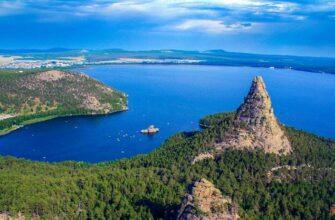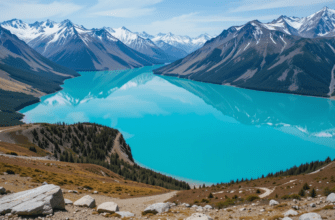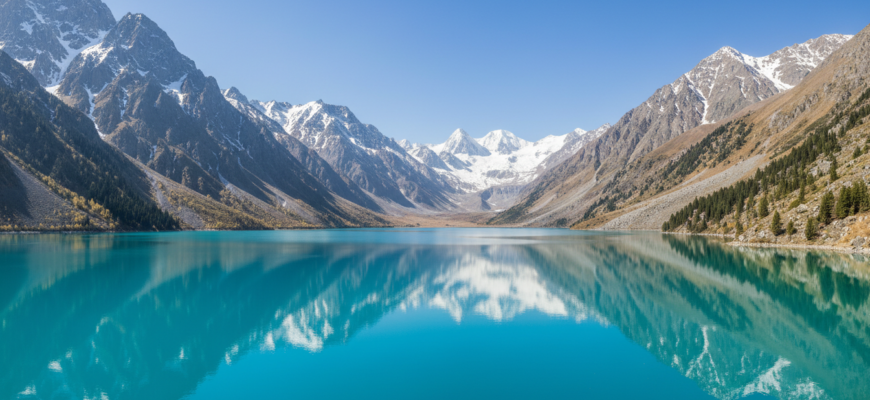
Almaty Region (Almatynskaya Oblast) extends across 223,924 square kilometers of southeastern Kazakhstan, encompassing four distinct ecological zones: the alpine Ile-Alatau mountains rising to 5,017 meters, the semi-desert Charyn canyon system carved over 12 million years, the pristine lake basins near the Kyrgyzstan border, and the Altyn-Emel desert with singing dunes and rainbow chalk mountains. This geographic diversity—mountain glaciers, turquoise alpine lakes, desert formations, and canyon systems accessible within 200 kilometers of Almaty city—creates Central Asia’s most concentrated nature tourism zone.
This guide addresses regional travel logistics, seasonal access realities, route planning, and practical requirements for independent travel across Almaty Region’s four geographic zones.
Why Visit Almaty Region
Geographic Concentration
Almaty Region packs extreme topographic diversity into accessible range. Within a 300-kilometer radius from Almaty city, travelers transition from 2,511-meter alpine lakes through 12-million-year-old canyon geology to 150-meter sand dunes and 1,500-meter-high rainbow-colored chalk mountains. This concentration eliminates the multi-day repositioning required in most Central Asian nature destinations.
Contrast with Regional Alternatives
Kazakhstan’s northern steppe zones (Kokshetau, Burabay) offer forest-lake landscapes but lack mountain drama and altitude variation. Western Kazakhstan (Mangystau) provides otherworldly desert formations but requires 1,500-kilometer positioning from major cities. Almaty Region delivers mountains, canyons, and desert from a single base.
The Tian Shan mountain system extends through Kyrgyzstan, offering similar alpine character, but Kyrgyzstan’s infrastructure development lags Kazakhstan’s road quality and accommodation density in gateway areas. Conversely, Kyrgyzstan provides deeper wilderness immersion and fewer developed tourism structures.
Ecological Zone Diversity
Alpine Tian Shan: Ile-Alatau National Park protects glaciated peaks, spruce forests, alpine meadows, and turquoise lakes between 1,500-5,017 meters elevation. Snow leopard, ibex, Tian Shan brown bear, and over 250 bird species inhabit the range.
Canyon Systems: Charyn Canyon’s 154-kilometer length exposes sedimentary layers documenting Central Asian paleoclimate across 12 million years. Erosion has carved formations resembling castle architecture in the Valley of Castles section.
Desert Wilderness: Altyn-Emel National Park’s 520,000 hectares encompass singing sand dunes, rainbow chalk mountains (Aktau), volcanic formations (Katutau), and transition-zone steppe supporting kulan (Asiatic wild ass), gazelle, and golden eagle populations.
Subalpine Lakes: Kolsai Lakes National Park features three glacial lakes at 1,818, 2,252, and 2,850 meters elevation, plus Kaindy Lake’s submerged forest created by 1911 earthquake-triggered landslide.
Geography of Almaty Region
Ile-Alatau Mountains (Trans-Ili Alatau)
This northern spur of the Tian Shan system forms Almaty Region’s southern boundary, extending 350 kilometers east-west along the Kazakhstan-Kyrgyzstan border. Peak elevations include Talgar Peak (4,973m), Molodezhniy Peak (4,147m), and Titov Peak (4,130m). The range rises abruptly from the Ili River valley at 500-600 meters to 4,000+ meter summits within 30-40 kilometers horizontal distance.
Vegetation zones: Desert steppe (500-1,000m) transitions to deciduous forest dominated by wild apricot and apple (1,000-1,800m), then spruce-fir forest (1,800-2,800m), alpine meadow (2,800-3,500m), and permanent snow-ice above 3,500 meters. This vertical zonation compresses multiple biomes into short elevation gradients.
Hydrology: Glacial meltwater feeds 15 major rivers draining north into the Ili River system, including Malaya Almatinka (which supplies Almaty’s water via Big Almaty Lake), Turgen, and Chilik. Summer glacial melt peaks July-August; spring snowmelt creates maximum flow April-May.
Access zones:
- Big Almaty Lake basin: 2,511m elevation, 15km from Almaty city limits
- Turgen Gorge: 60km east of Almaty, 1,500-2,500m elevation range
- Issyk Lake: 70km east of Almaty at 1,756m elevation
Kolsai-Kaindy Lake Area
Located 280-300 kilometers southeast of Almaty near the Kyrgyzstan border, this zone occupies the Kungey Alatau range’s northern slopes. The area features distinct hydrological character from the Ile-Alatau due to different precipitation patterns and glacial history.
Kolsai Lakes system: Three lakes connected by hiking trail:
- Kolsai I (Lower Lake): 1,818m elevation, 400m depth, 1km length
- Kolsai II (Middle Lake): 2,252m elevation, 50m depth, accessed via 7.2km trail gaining 596m elevation
- Kolsai III (Upper Lake): 2,850m elevation, 3.8km beyond Middle Lake, gaining additional 430m elevation
Kaindy Lake: Created by 1911 Kebin earthquake when landslide dammed valley, flooding spruce forest. Submerged tree trunks remain standing, protruding 10-15 meters above water surface. Lake sits at approximately 2,000m elevation.
Border proximity: Area lies within 30-40 kilometers of Kyrgyzstan border; some trails approach border zone requiring permits for access beyond established tourist areas.
Charyn Canyon System
Charyn Canyon extends 154 kilometers along the Charyn River, located 200 kilometers east of Almaty. The canyon reaches depths of 150-300 meters, exposing sedimentary rock layers deposited during Paleogene period (12 million years ago).
Valley of Castles: The most accessible and photographed section, featuring erosional pillars and walls resembling architectural structures. The valley floor sits approximately 1,400m elevation; canyon rim at 1,600-1,700m.
Geological significance: Stratified sedimentary layers document Central Asian climate oscillations across millions of years; erosion rates vary by rock hardness creating differential weathering patterns.
Hydrological character: Charyn River (tributary of Ili River) maintains year-round flow from mountain snowmelt; summer temperatures in canyon regularly exceed 35°C with minimal shade.
Altyn-Emel Desert Zone
Altyn-Emel National Park occupies 520,000 hectares between the Ili River (north) and Dzungarian Alatau mountains (south), 150-280 kilometers northeast of Almaty. Terrain ranges from 400m elevation along Ili River to 1,600m in Aktau Mountains.
Singing Dune (Aigaikum): Crescent-shaped sand accumulation measuring 3 kilometers long, 1.5 kilometers wide, and 120-150 meters high. The dune occupies a stable position between Greater and Lesser Kalkan mountain ranges, with prevailing winds maintaining its form across centuries. Sand grain friction produces low-frequency sound (described as humming, organ-like, or roaring) audible during temperature changes or when sand slides.
Aktau Mountains: Rainbow-colored chalk and clay sedimentary formations deposited during Paleogene period when the area was ocean floor. Exposed strata display white, red, yellow, green, and pink layers. Formations reach 1,500m elevation.
Katutau volcanic formations: Dark basalt and tuff rock structures contrasting with lighter surrounding desert.
Wildlife: Reintroduced Asiatic wild ass (kulan), goitered gazelle, golden eagle, steppe eagle; historical range included Przewalski’s horse.
Top Natural Attractions in Almaty Region
Big Almaty Lake
This alpine reservoir occupies a glacially-carved basin at 2,511 meters elevation in the Trans-Ili Alatau, 15 kilometers south of Almaty city center. Three peaks surround the lake: Sovetov (4,317m), Ozyorny (4,110m), and Turist (3,954m). The lake functions as Almaty’s primary water source, resulting in strict access controls.
Water characteristics: Color varies from turquoise to deep blue depending on glacial sediment concentration, season, and light angle. Maximum depth reaches 40 meters. Surface area approximately 1.6 square kilometers.
Access logistics (2026): Private vehicle access prohibited beyond barrier at approximately 2,200m elevation. Visitors must either:
- Hike from Ayusai Centre (reachable via taxi or bus 28 from Almaty): 8-10 kilometers, 3-4 hours ascent gaining 300m elevation
- Join organized tour with permitted vehicle access to lake shore
- Taxi to barrier checkpoint (approximately 2,300m), then hike remaining 2-3 kilometers
Altitude effects: The 2,511m elevation causes measurable physiological response in sea-level residents—increased respiration rate, faster fatigue, occasional mild headache. Visitors should factor reduced physical capacity into hiking timeline estimates.
Seasonal access:
- May-June: Road may remain snow-covered or restricted; verify current conditions
- July-August: Full access, warmest temperatures (15-20°C daytime at lake level)
- September-October: Peak photographic season due to autumn larch color and stable weather
- November-April: Road typically closed due to snow and ice
Entry fee: 200 KZT per person.
Facilities: No services at lake; bring all food, water, and supplies.
Charyn Canyon
Located 200 kilometers east of Almaty, Charyn Canyon provides Kazakhstan’s most dramatic erosional landscape. The Valley of Castles section—the primary tourist destination—features red-orange sedimentary formations sculpted into towers, walls, and pillars.
Scale: Canyon depth 150-300 meters; Valley of Castles section extends approximately 2 kilometers. Total canyon system length 154 kilometers along Charyn River.
Hiking: Main trail descends from rim parking area (1,600-1,700m elevation) to valley floor (1,400m), then loops through formation zone. Round-trip distance approximately 4 kilometers; duration 2-3 hours at moderate pace. Trail conditions: steep descent on uneven path, no technical climbing required.
Temperature: Summer daytime temperatures regularly reach 35-40°C; minimal shade available. Spring and autumn provide more comfortable conditions (20-28°C).
Best seasons:
- April-May: Moderate temperatures, wildflowers, Charyn River at high flow
- June-August: Extreme heat; early morning arrival essential
- September-October: Optimal conditions with comfortable temperatures and stable weather
- November-March: Cold (0 to -15°C); reduced tourist services but dramatic snow-capped mountain backdrop
Transport logistics:
- Road quality: Paved highway from Almaty to Chundzha village turnoff (2.5 hours); final 10 kilometers to canyon unpaved but passable for standard vehicles
- Self-drive: 3-3.5 hours each direction from Almaty
- Organized tour: 12-hour round-trip typical
Facilities: Basic yurt camp and café near parking area; limited food and drink options.
Kolsai Lakes
Kolsai Lakes National Park protects three alpine lakes at progressive elevations, accessed from Saty village (280 kilometers southeast of Almaty).
Kolsai I (Lower Lake):
- Location: 1,818m elevation, 12 kilometers from Saty village
- Character: Largest lake (1 kilometer long, 400m maximum depth), surrounded by spruce forest
- Access: Vehicle access to north shore parking and visitor facilities
- Activities: Shoreline walking, horseback riding, fishing (permit required), kayaking
Kolsai II (Middle Lake):
- Location: 2,252m elevation, 7.2 kilometers hiking trail from Lower Lake
- Elevation gain: 596 meters from Lower Lake
- Duration: 3-4 hours ascent, 2-3 hours descent
- Trail character: First 4 kilometers follow river through forest with gradual climb; final 3.5 kilometers steepen significantly
- Lake size: 50 meters deep, smaller surface area than Lower Lake
- Camping: Designated camping area near shore; bring all equipment
Kolsai III (Upper Lake):
- Location: 2,850m elevation, 3.8 kilometers beyond Middle Lake
- Elevation gain: Additional 430 meters from Middle Lake (total 1,026m from Lower Lake)
- Duration: 2-3 hours from Middle Lake; typically requires camping at Middle Lake for manageable timeline
- Trail character: Poorly defined beyond Middle Lake; route-finding skills essential
- Access season: July-September only; snow covers trail until mid-June
Physical requirements: Moderate fitness sufficient for Lower-to-Middle lake hike; good fitness and altitude acclimatization required for Upper Lake.
Kaindy Lake
Located 12 kilometers from Kolsai Lower Lake, Kaindy Lake formed when the 1911 Kebin earthquake triggered landslide that dammed valley, flooding mature spruce forest. Dead tree trunks remain standing, protruding 10-15 meters above water surface—creating the region’s most distinctive photographic subject.
Elevation: Approximately 2,000 meters.
Water characteristics: Clear, cold (8-10°C summer maximum), blue-green color from limestone content.
Access:
- Road: Rough 4×4 track from Saty village; Soviet-era UAZ vehicles standard for tourist transport
- Hiking: 2-kilometer trail from 4×4 drop-off point to lake shore
- Season: June-October; road impassable during snow season
Photography: Optimal light conditions mid-morning; calm water for reflections more likely early morning.
Swimming: Possible but water temperature (8-10°C) limits duration.
Altyn-Emel National Park
Kazakhstan’s largest national park (520,000 hectares) protects desert and semi-desert ecosystems 150-280 kilometers northeast of Almaty.
Singing Dune:
- Location: Central park area, accessed via 180 kilometers driving from park entrance near Basshi village
- Scale: 120-150 meters high, 3 kilometers long, 1.5 kilometers wide
- Climbing: Steep sand slope requires 30-40 minutes to summit; descent 15-20 minutes
- Sound phenomenon: Best audible during temperature changes (late afternoon as sand cools) or when sand slides during descent
- Physical effort: Strenuous due to sand instability and slope angle; bring 2-3 liters water per person
Aktau Mountains:
- Location: 50 kilometers beyond Singing Dune
- Geology: Multi-colored sedimentary layers (white, red, yellow, green, pink) deposited 25-30 million years ago when region was ocean floor
- Hiking: Unmarked terrain; walking among formations requires 1-2 hours
- Elevation: Formations reach 1,500 meters
- Photography: Optimal light sunrise and 2 hours before sunset when low sun angle emphasizes color stratification
Katutau Mountains:
- Character: Dark volcanic basalt and tuff formations contrasting with surrounding desert
- Access: Typically visited between Singing Dune and Aktau
Practical considerations:
- Multi-day requirement: Park scale and distances necessitate minimum 2 days, preferably 3 days for complete Singing Dune + Aktau + Katutau circuit
- Accommodation: Basic guesthouses in Basshi village; camping permitted at designated sites
- Road conditions: Unpaved throughout park; high-clearance vehicle required, 4×4 not essential in dry conditions
- Services: No services beyond park entrance; bring all food, extensive water supplies
- Entry fee: Park permit required; costs vary by intended attractions
Cultural Sites in the Region
Huns Ethno Village
Located 35 kilometers from Almaty in Talgar district, Huns Ethno Village recreates nomadic Kazakh heritage through demonstrations and participatory activities. The site presents staged cultural programming designed for tourist education rather than representing active traditional community.
Cultural elements:
- Yurt architecture: Traditional felt-covered portable dwelling construction and interior organization
- Ceremonies: Tusau kesu (child blessing ritual when taking first steps), traditional wedding elements
- Equestrian culture: Demonstrations of kyz kuu (bride chasing), atpen audaryspak (horse wrestling), trick riding
- Crafts: Felt-making process, traditional textiles, leather work
- Music: Dombra (two-stringed lute) performance, traditional songs
- Food culture: Preparation methods for traditional dishes; kumis (fermented mare’s milk) and shubat (fermented camel milk) tasting
Program format: Half-day tours (4-5 hours) include demonstrations, limited participation opportunities in select activities, traditional meal, and beverage tasting. Full-day programs add extended horse activities or archery.
Value proposition: Provides structured introduction to nomadic heritage elements for visitors without time or access for authentic rural immersion. Understand this as educational theater rather than ethnographic documentation.
Cost: 15-20 USD per person for standard half-day program.
Best season: April-October; winter programs operate indoors with limited outdoor activities.
Traditional Villages and Rural Auls
Saty Village: Gateway settlement for Kolsai-Kaindy Lakes, population approximately 2,000 primarily ethnic Kazakhs and Dungan Muslims. Village maintains traditional agricultural economy (livestock, small-scale farming) alongside emerging tourism services. Guesthouses provide authentic rural accommodation experience; families offer home-cooked meals featuring regional specialties.
Basshi Village: Service center for Altyn-Emel National Park with basic guesthouses and shops. Village economy traditionally based on livestock herding; tourism developing as secondary income.
Mountain Settlements: Small communities in Turgen Gorge, Issyk valley, and other mountain zones maintain semi-traditional lifestyles balancing modern amenities with agricultural subsistence. These settlements offer authentic cultural observation opportunities without staged programming.
Best Routes from Almaty
1-Day Routes
Big Almaty Lake Circuit (80 kilometers round-trip, 8-10 hours total):
- Depart Almaty 7-8 AM via southern mountain road
- Arrive Big Almaty Lake access point 9-9:30 AM
- Hike to lake or join permitted vehicle (1-2 hours)
- Lake shore time: 1-2 hours
- Return Almaty 5-6 PM
- Season: June-October
- Requirements: Standard vehicle adequate for paved sections; organized tour for lake shore vehicle access
Charyn Canyon Day Trip (400 kilometers round-trip, 12-13 hours total):
- Depart Almaty 6-7 AM via A-351 highway east
- Arrive Valley of Castles 9:30-10 AM
- Canyon hiking: 2-3 hours
- Lunch: 1 hour
- Depart canyon 2-3 PM
- Return Almaty 6-7 PM
- Season: Year-round (April-October optimal)
- Requirements: Standard vehicle adequate; high clearance helpful for final 10 kilometers unpaved access
Turgen Gorge + Waterfall (120 kilometers round-trip, 7-8 hours total):
- Depart Almaty 8 AM via eastern route
- Visit Turgen Gorge waterfall (Medvezhiy/Bear Waterfall): 30-minute walk from parking
- Optional addition: Issyk Lake (add 2 hours, 40 kilometers)
- Return Almaty 4-5 PM
- Season: May-October (waterfalls strongest May-July)
- Requirements: Standard vehicle adequate
Altyn-Emel Singing Dune (600 kilometers round-trip, 16+ hours):
- Not realistically feasible as day trip due to distance and park entry logistics
- Minimum 2-day commitment required
2-Day Routes
Kolsai-Kaindy Lakes Standard (560 kilometers round-trip):
- Day 1: Depart Almaty 7 AM, arrive Saty village 11 AM-12 PM (280km, 4-5 hours drive), afternoon visit Kaindy Lake via 4×4 (3-4 hours round-trip including 2km hike), overnight Saty guesthouse
- Day 2: Morning hike to Kolsai Lower Lake shore or partway to Middle Lake (2-4 hours), depart Saty 1-2 PM, arrive Almaty 6-7 PM
- Season: June-October (July-September optimal)
- Requirements: Organized tour simplest for 4×4 Kaindy access; self-drive possible with high-clearance vehicle and local 4×4 hire in Saty
Altyn-Emel Comprehensive (480 kilometers round-trip):
- Day 1: Depart Almaty 6 AM, enter park via Basshi village (180km, 3 hours), afternoon Singing Dune climb and exploration (3-4 hours), overnight Basshi village or park camping
- Day 2: Morning Aktau Mountains (2-3 hours), optional Katutau stop, return Almaty late afternoon/evening
- Season: April-October (avoid July-August peak heat if sensitive)
- Requirements: High-clearance vehicle minimum; 4×4 helpful but not essential in dry conditions
Charyn Canyon + Kolsai (One Lake) (680 kilometers round-trip):
- Day 1: Depart Almaty 6 AM, Charyn Canyon stop (9:30 AM-1 PM), continue to Saty village (additional 120km, 2 hours), overnight Saty
- Day 2: Kaindy Lake morning visit, return Almaty afternoon
- Season: June-October
- Requirements: Long driving day 1 (8+ hours); organized tour reduces logistics burden
3-Day Routes
Complete Kolsai-Kaindy Circuit:
- Day 1: Almaty to Saty, afternoon Kolsai Lower Lake exploration, overnight Saty
- Day 2: Full-day hike Kolsai Lower to Middle Lake and return (8-10 hours), overnight Saty
- Day 3: Morning Kaindy Lake, return Almaty afternoon
- Alternative Day 3: Add Charyn Canyon stop en route to Almaty (requires early Saty departure)
Altyn-Emel Extended:
- Day 1: Almaty to Basshi, afternoon Singing Dune, overnight Basshi
- Day 2: Full day Aktau Mountains and Katutau with photography time, overnight Basshi
- Day 3: Morning wildlife viewing drive, return Almaty afternoon
Mountain Lakes + Canyon Combination:
- Day 1: Almaty to Turgen Gorge, afternoon waterfall and valley exploration, overnight Turgen or continue to Issyk
- Day 2: Morning Issyk Lake, drive to Charyn Canyon (150km), afternoon canyon hiking, overnight yurt camp near canyon
- Day 3: Morning canyon photography, return Almaty
5-Day Routes
Complete Regional Circuit:
- Day 1: Almaty to Charyn Canyon, afternoon canyon exploration, continue to Saty village (total 320km), overnight Saty
- Day 2: Kaindy Lake morning, afternoon Kolsai Lower Lake, overnight Saty
- Day 3: Full-day Kolsai Middle Lake hike, overnight Saty
- Day 4: Return toward Almaty via northern route to Altyn-Emel, enter park, Singing Dune afternoon, overnight Basshi (total 350km)
- Day 5: Morning Aktau Mountains, return Almaty afternoon (180km)
Deep Mountain Immersion:
- Days 1-3: Kolsai three-lake circuit including Upper Lake with camping at Middle Lake
- Day 4: Return to Saty, drive to Turgen Gorge area (200km), overnight mountain guesthouse
- Day 5: Turgen waterfalls and valleys, return Almaty
How to Travel the Region
Road Conditions
Paved Highways:
- Almaty-Taldykorgan (A-349/A-3): New pavement for first 200 kilometers east of Almaty; road quality deteriorates approaching Taldykorgan with pothole clusters
- Almaty-Chundzha-Zharkent (A-351): Smooth tarmac with intermittent pothole sections; generally good condition suitable for standard vehicles
- Almaty-Kapshagay-Zharkent (A-2): Northern route via Kapshagay reservoir; acceptable pavement with variable maintenance sections
Unpaved Roads:
- Big Almaty Lake access: Paved to approximately 2,200m elevation; final 2-3 kilometers restricted
- Kolsai-Kaindy area: Paved highway to Saty village; rough unpaved 4×4 track to Kaindy Lake requiring high clearance
- Charyn Canyon final approach: Last 10 kilometers unpaved but generally passable for standard vehicles in dry conditions; high clearance helpful
- Altyn-Emel internal roads: Unpaved throughout park; maintained gravel roads to major attractions; high-clearance vehicle required, 4×4 not essential in dry weather
Road hazards: Potholes appear suddenly even on good sections—constant attention required. Road lighting minimal to absent outside Almaty city; night driving not recommended. Livestock (cattle, sheep, horses) frequently cross roads in rural areas without warning.
4×4 Requirements
Essential:
- Kaindy Lake final access from Saty village
- Off-main-route exploration in Altyn-Emel (Katutau backcountry, wildlife viewing areas)
- Any winter/spring travel to mountain areas
Helpful but not essential:
- Kolsai Lakes access (paved to Saty; Lower Lake reachable by standard vehicle)
- Altyn-Emel main circuit in dry season (Singing Dune, Aktau via established roads)
- Charyn Canyon access (high clearance sufficient)
Not required:
- Big Almaty Lake (paved access; restricted section hiking-only)
- Turgen Gorge, Issyk Lake (paved access to main sites)
Distances and Travel Times from Almaty
| Destination | Distance | Travel Time | Road Type |
|---|---|---|---|
| Big Almaty Lake access | 28 km | 45-60 min | Paved |
| Turgen Gorge | 60 km | 1.5 hours | Paved |
| Issyk Lake | 70 km | 1.5-2 hours | Paved |
| Charyn Canyon | 200 km | 3-3.5 hours | Paved + 10km unpaved |
| Saty village (Kolsai) | 280 km | 4-5 hours | Paved |
| Kaindy Lake from Saty | 12 km | 1 hour (4×4 + hike) | Unpaved 4×4 track |
| Altyn-Emel entrance (Basshi) | 180 km | 3-3.5 hours | Paved |
| Singing Dune from Basshi | 90 km | 2 hours | Unpaved park road |
| Aktau from Singing Dune | 50 km | 1-1.5 hours | Unpaved park road |
Travel times assume good weather, daytime driving, and standard traffic conditions.
Tours vs Self-Drive
Organized tour advantages:
- Permitted vehicle access where restricted (Big Almaty Lake shore)
- 4×4 vehicles included for Kaindy Lake, Altyn-Emel
- Local knowledge for unmarked trails, optimal photography timing
- Park permits and entry logistics handled
- Reduced driving fatigue on long-distance routes
Self-drive advantages:
- Flexibility for timing, route modifications, spontaneous stops
- Lower cost for groups of 3-4 travelers
- Ability to combine destinations in custom sequences
- Extended time at preferred locations
Hybrid approach: Self-drive to Saty village, hire local 4×4 driver for Kaindy Lake. Self-drive to Charyn Canyon for flexibility, join organized tour for Altyn-Emel’s multi-day logistics.
Rental vehicle considerations:
- International driving permit required alongside home license
- Insurance coverage verify off-pavement terms
- Vehicle condition check essential—photograph all existing damage
- Fuel availability limited in remote areas; full tank before leaving Almaty
Best Time to Visit Almaty Region
Seasonal Access by Zone
Mountain Zone (Ile-Alatau, Kolsai-Kaindy):
May-June:
- Big Almaty Lake: Road opens late May; snow may linger at 2,500m elevation
- Kolsai Lakes: Lower Lake accessible by June; Middle and Upper Lakes snow-free mid-June to early July
- Waterfalls: Maximum flow from snowmelt—Turgen and Issyk waterfalls at peak volume
- Wildflowers: Alpine meadows bloom June-early July
- Temperatures: 10-18°C at altitude; warm layers essential
July-August:
- Access: All mountain areas fully accessible
- Temperatures: 18-25°C at 2,000-2,500m; comfortable for hiking
- Crowds: Peak domestic tourism; weekends see maximum visitor numbers at Kolsai, Big Almaty Lake
- Water levels: Glacial melt sustains lakes and rivers at full volume
September-October:
- Optimal period: Stable weather, reduced crowds, comfortable temperatures (12-20°C)
- Autumn color: Larch forests turn golden mid-September to early October
- Big Almaty Lake: Peak photographic conditions with color contrast against turquoise water
- Kolsai: Forest color spectacular; water levels still adequate
- End-season: First snow typically arrives high elevations (2,500m+) late October
November-April:
- Access: Most mountain roads closed by snow
- Exceptions: Shymbulak ski resort, Medeu ice rink accessible year-round
- Photography: Winter landscapes dramatic but access severely limited
Canyon Zone (Charyn)
March-May:
- Temperatures: 15-28°C; comfortable for canyon hiking
- Crowds: Low; peak season not yet started
- River flow: High from snowmelt; scenic but limits some valley-floor access
June-August:
- Temperatures: 30-42°C; extreme heat
- Strategy: Early morning arrival essential (7-9 AM); avoid midday hiking
- Crowds: Peak season; weekends crowded
September-October:
- Optimal: Moderate temperatures (20-28°C), stable weather, reduced crowds
- Photography: Excellent light conditions; less atmospheric haze than summer
November-February:
- Temperatures: 0 to -15°C; cold but feasible
- Advantages: Dramatic snow-capped mountain backdrop; minimal tourists
- Considerations: Shorter daylight hours; some yurt camps closed
Desert Zone (Altyn-Emel)
April-May:
- Temperatures: 18-28°C; ideal for Singing Dune climbing and Aktau hiking
- Desert bloom: Brief wildflower period following spring rain (timing variable)
- Wildlife: Spring bird migration; active kulan and gazelle populations
June-August:
- Temperatures: 35-45°C; extreme desert heat
- Strategy: Sunrise Aktau visit; late afternoon Singing Dune (cooler, better for sound phenomenon)
- Challenges: Heat exhaustion risk; 3+ liters water per person essential
September-October:
- Optimal: Moderate temperatures (22-32°C), comfortable for full-day activities
- Singing Dune sound: More reliable in autumn as temperature differentials increase
- Photography: Excellent light; clear atmosphere
November-March:
- Temperatures: 5 to -10°C; cold but manageable with proper clothing
- Advantages: Dramatic light, no heat-related restrictions
- Considerations: Limited accommodation options; some guesthouses close
Cross-Regional Optimal Windows
Late May-Early June: Mountain access opens; desert still comfortable; canyons perfect—best for 5-7 day regional circuit.
September: Single best month balancing mountain autumn color, canyon comfort, and acceptable desert temperatures.
April-May and September-October: Shoulder seasons provide optimal conditions across all zones without summer crowds or winter closures.
Sample Regional Itineraries
3 Days: Mountain Focus
Day 1: Almaty to Big Almaty Lake via organized tour or taxi + hiking (full day), return Almaty evening.
Day 2: Depart 7 AM for Charyn Canyon, hiking 9:30 AM-1 PM, continue to Saty village (arriving 4-5 PM), overnight Saty guesthouse.
Day 3: Morning Kaindy Lake via 4×4 and hiking (4 hours round-trip), early afternoon departure for Almaty (arrive 6-7 PM).
Terrain covered: Alpine lake, canyon system, subalpine lakes and submerged forest.
5 Days: Comprehensive Regional Survey
Day 1: Almaty to Turgen Gorge, waterfall visit, continue to Issyk Lake, overnight Issyk area (total 70-90km).
Day 2: Morning Issyk Lake, drive to Charyn Canyon (150km), afternoon canyon hiking, overnight canyon yurt camp.
Day 3: Morning canyon photography, drive to Saty village (120km, 2 hours), afternoon Kolsai Lower Lake exploration, overnight Saty.
Day 4: Full-day Kaindy Lake morning + Kolsai Middle Lake attempt afternoon (or vice versa), overnight Saty.
Day 5: Early departure Saty, stop at Big Almaty Lake viewpoint en route (if access permits), return Almaty afternoon.
Terrain covered: Waterfalls, glacial lakes, canyon system, submerged forest, high-alpine lake, mountain forests.
7 Days: Complete Regional Circuit
Day 1: Almaty to Altyn-Emel via Basshi village (180km, 3 hours), afternoon enter park and short acclimatization drive, overnight Basshi.
Day 2: Full day Singing Dune climb and exploration, overnight Basshi or park camping.
Day 3: Morning Aktau Mountains extended photography session, afternoon Katutau formations, overnight Basshi.
Day 4: Morning wildlife viewing drive in park, depart for Charyn Canyon (220km via northern route), afternoon arrive canyon and short hike, overnight canyon camp.
Day 5: Morning canyon exploration, depart for Saty village (120km), afternoon arrival and Kolsai Lower Lake visit, overnight Saty.
Day 6: Full-day Kolsai Middle Lake hike (8-10 hours round-trip), overnight Saty.
Day 7: Morning Kaindy Lake, early afternoon departure for Almaty with Big Almaty Lake viewpoint stop if time permits (280km, 5-6 hours), arrive Almaty evening.
Terrain covered: Desert dunes, rainbow mountains, volcanic formations, canyon system, alpine lakes, submerged forest, high-mountain lake.
7 Days Alternative: Deep Mountain Immersion
Day 1: Almaty to Saty village, afternoon Kolsai Lower Lake, overnight Saty.
Day 2: Hike Kolsai Lower to Middle Lake with full camping equipment, camp at Middle Lake.
Day 3: Early morning hike to Upper Lake and return to Middle Lake (8-10 hours round-trip), camp at Middle Lake.
Day 4: Return hike to Lower Lake, afternoon Kaindy Lake visit, overnight Saty.
Day 5: Drive to Turgen Gorge area (200km), afternoon waterfall and valley exploration, overnight mountain guesthouse.
Day 6: Morning Issyk Lake, afternoon Big Almaty Lake area, overnight mountain lodge near Big Almaty Lake road.
Day 7: Morning Big Almaty Lake visit, return Almaty via mountain scenic route.
Terrain covered: Complete three-lake system with camping, submerged forest, waterfalls, multiple glacial lakes, high-alpine environment.
Practical Travel Advice
Permits and Restricted Zones
Border zone permits:
Kazakhstan maintains restricted access zones within 30-50 kilometers of international borders with China and Kyrgyzstan. Key considerations for Almaty Region:
- Dzhungar Alatau (east of Tekeli): Areas close to Chinese border require permits; most tourist destinations remain outside restricted zone
- Kolsai-Kaindy area: Tourist zones (Saty village, Kolsai Lakes, Kaindy Lake) accessible without permit. Extended hiking toward Kyrgyzstan border or off-trail exploration may enter restricted zone—verify with local authorities
- Altyn-Emel: No border permit required for standard tourist routes
Obtaining permits: Border zone permits require 14-30 days processing. Applications submitted through tour agencies with passport copy, itinerary, and dates. Independent travelers rarely need permits for standard tourist routes.
National park permits: Required for Ile-Alatau, Kolsai Lakes, Altyn-Emel National Parks. Purchased at park entrances; fees vary by park and intended activities. Tour operators typically include park fees in package pricing.
Altitude Considerations
Physiological effects by elevation:
- 1,800-2,200m (Kolsai Lower, Kaindy, Turgen): Mild effects for most visitors—slightly increased breathing effort during exertion
- 2,200-2,600m (Big Almaty Lake, Kolsai Middle): Moderate effects—noticeable fatigue increase, mild headache possible for unacclimatized visitors
- 2,600-3,000m (Kolsai Upper, high trails): Significant effects—reduced physical capacity (20-30% performance decrease), headache, nausea possible
Acclimatization strategy:
- Spend 1-2 days at 1,500-1,800m before attempting 2,500m+ destinations
- Ascend gradually; avoid rapid altitude gain (example: don’t drive sea-level to Big Almaty Lake without intermediate stop)
- Increase hydration 50% above normal intake
- Reduce physical exertion intensity first 24 hours at new elevation
Acute mountain sickness (AMS) signs: Persistent headache, nausea, dizziness, extreme fatigue. Treatment: immediate descent to lower elevation.
Weather and Season-Specific Gear
Spring (April-June):
- Mountain zones: Warm layers (fleece, insulated jacket), waterproof shell, sun protection
- Temperature range: 5-20°C depending on elevation
- Canyons/desert: Light layers, sun hat, sunscreen
Summer (July-August):
- Mountains: Light hiking clothing, fleece for early morning/evening, rain jacket
- Canyons/desert: Sun protection critical—wide-brimmed hat, lightweight long sleeves, 3+ liters water capacity per person
- Temperature range: 15-25°C mountains; 30-45°C desert/canyon
Autumn (September-October):
- Mountain zones: Warm layers essential; temperatures drop significantly at elevation (5-15°C)
- Canyons/desert: Moderate conditions; standard hiking gear adequate
Winter (November-March):
- Limited travel; extreme cold gear required (-10 to -20°C at elevation)
- Most mountain roads closed; focus shifts to accessible winter activities near Almaty
Fuel and Supplies
Fuel availability:
- Almaty to major destinations: Stations available in Kapshagay, Chundzha, Zharkent, Taldykorgan
- Remote areas: No fuel between Basshi and Altyn-Emel interior; no fuel between Saty and Kaindy
- Strategy: Fill tank in Almaty; refuel at every opportunity in regional centers
Food and water:
- Mountain zones: No services at Big Almaty Lake, Kolsai Middle/Upper, Kaindy Lake—bring all food and extensive water
- Saty village: Basic shops with limited selection; purchase main supplies in Almaty
- Altyn-Emel: No services within park boundaries; stock supplies in Almaty or Basshi
- Water treatment: Carry purification tablets or filter for mountain streams during multi-day hiking
Mobile coverage:
- Good: Almaty-Charyn highway, Saty village area
- Limited/absent: Altyn-Emel interior, Kolsai Middle/Upper trails, Kaindy Lake, Big Almaty Lake upper zones
- Strategy: Download offline maps; inform accommodation of itinerary before remote-area travel
Food in Remote Areas
Saty village: Guesthouses provide home-cooked meals—traditional Kazakh, Dungan, and Russian dishes. Beshbarmak, lagman, plov, and manti (steamed dumplings) commonly offered. Breakfast typically included with accommodation; lunch and dinner available by arrangement.
Basshi village: Basic café and guesthouse meals; limited menu diversity. Traditional Kazakh dishes and Russian staples.
Yurt camps (Charyn, Altyn-Emel): Simple but adequate meals provided when booked with accommodation. Expect traditional meat-heavy Kazakh cuisine.
Self-catering: Essential for multi-day Kolsai hiking; bring high-calorie trail food, energy bars, dried fruit, nuts. Almaty supermarkets stock appropriate supplies.
Is Almaty Region Worth Visiting?
Almaty Region merits visiting for travelers prioritizing natural landscape diversity accessible from a single base without extensive repositioning. The concentration of alpine lakes, desert formations, canyon systems, and mountain wilderness within 300 kilometers represents logistical efficiency rare in Central Asia.
Visit Almaty Region specifically for:
- Landscape photographers: Four distinct ecological zones provide varied subjects—alpine turquoise lakes, erosional canyon geology, rainbow desert mountains, submerged forests
- Nature-focused travelers: Access to wilderness without multi-day backpacking commitment; day hikes and short overnight trips sufficient
- Multi-interest tourists: Balance nature exploration with urban Almaty amenities and cultural sites
Consider alternatives if seeking:
- Pure desert immersion: Mangystau (western Kazakhstan) offers more extensive desert landscapes
- Deep wilderness trekking: Kyrgyzstan provides more remote backcountry with less developed infrastructure
- Historical/architectural tourism: Uzbekistan’s Silk Road cities offer superior cultural heritage density
The region’s value proposition centers on accessibility and variety rather than singular superlatives. Big Almaty Lake doesn’t rival Tibetan sacred lakes in scale, Charyn Canyon remains smaller than Arizona’s Grand Canyon, and Altyn-Emel’s formations lack Cappadocia’s concentration—but no other Central Asian region offers equivalent diversity within comparable logistics.
How Many Days for Almaty Region?
Minimum viable visit: 3 days allows one mountain destination (Big Almaty Lake or Turgen Gorge), one canyon/desert destination (Charyn Canyon), and one lake complex (Kaindy or Kolsai Lower Lake).
Recommended: 5 days enables comfortable coverage of mountain zone (Big Almaty + Turgen/Issyk), complete Kolsai-Kaindy circuit, and Charyn Canyon without exhausting pace.
Comprehensive: 7 days accommodates Altyn-Emel 2-3 day exploration plus mountain and lake zones, providing complete regional survey.
Deep exploration: 10-14 days allows extended Kolsai three-lake trekking with camping, thorough Altyn-Emel photography sessions, multiple waterfall zones, and flexibility for weather delays.
Time allocation should prioritize based on interests:
- Peak/mountain photographers: 7 days minimum (multiple mountain destinations across different light conditions)
- Desert/geology focus: 4-5 days (2-3 days Altyn-Emel, 1-2 days Charyn)
- Lake trekkers: 5-7 days (multi-day Kolsai circuit with proper acclimatization)
Combine regional days with 3-4 days Almaty city for complete southeastern Kazakhstan experience.
Navigation note: This regional guide complements the main Almaty city guide; use both resources for comprehensive southeastern Kazakhstan trip planning.